Key takeaways
- An IV drip in Thailand can be safe when it is given by a registered nurse after a proper health check.
- Look for sterile, single-use equipment, products from licensed suppliers and clear answers to your questions.
- Some people should not have a drip at all, including those with certain heart or kidney conditions.
- An IV drip is a wellness service. Serious symptoms need a doctor or hospital, not a drip.
Wellness drips are offered in many Thai holiday spots, from city spas to beach bungalows. So is it safe to get an IV drip in Thailand? The honest answer is that it depends almost entirely on who is giving it and how.
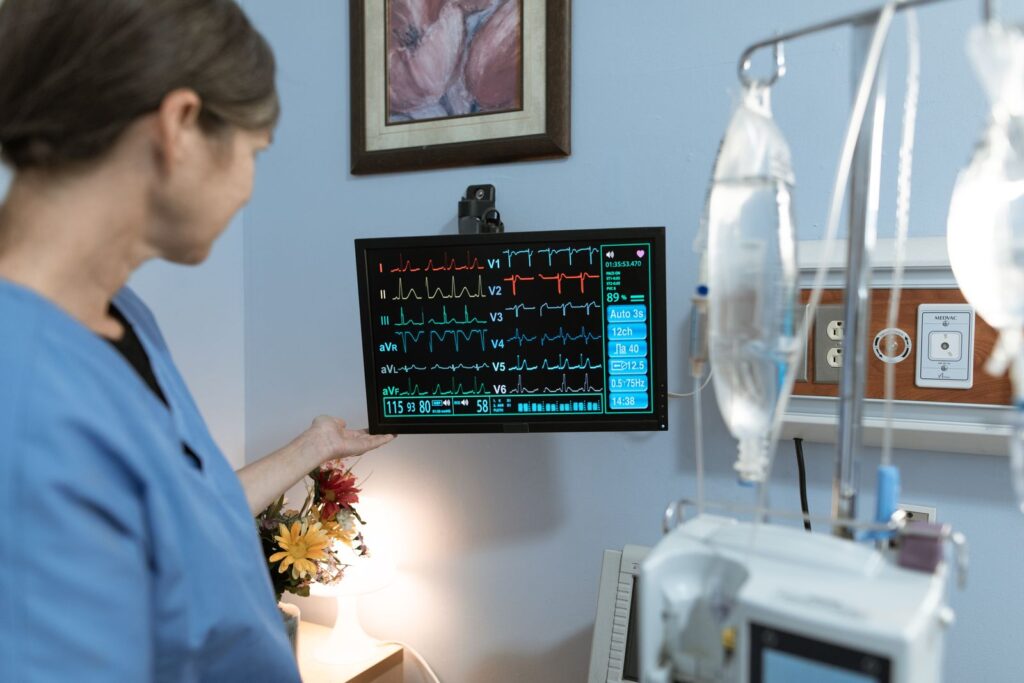
A drip places a needle and cannula directly into a vein, so hygiene, training and good judgement really matter. This guide explains what a safe provider looks like, the questions to ask anyone before you book, and the warning signs that mean you should say no.
What are the real risks of an IV drip?
For a healthy adult, a well-run wellness drip carries a low risk, but it is never zero. The main risks are:
- Infection if equipment is not sterile or the skin is not cleaned properly.
- Bruising, swelling or pain where the cannula goes in, or fluid leaking into the surrounding tissue.
- Allergic reactions to an ingredient.
- Fluid overload in people whose heart or kidneys cannot handle extra fluid.
- Fainting, particularly in people who are nervous about needles.
Almost all of these are reduced by proper training, a careful health check and clean technique. That is why the provider matters far more than the menu.
It is also worth knowing that most healthy people who are only mildly dehydrated can rehydrate perfectly well by drinking water and oral rehydration salts. A drip is a convenience and a way to rest, not a necessity, so there is never a reason to accept one from a provider you do not feel comfortable with.
What does a safe IV drip provider look like?
Whether you are on Koh Lanta, in Bangkok or anywhere else, a safe provider should tick every one of these boxes:

A qualified, registered professional
The drip should be placed and monitored by a registered nurse or doctor, not a spa attendant or someone with only informal training. They should be happy to tell you their qualifications.
A health check before anything starts
Expect questions about your medical history, medicines, allergies, pregnancy and how you are feeling today, plus basic checks such as blood pressure and pulse. If nobody asks you anything before reaching for a needle, that is a problem.
Sterile, single-use equipment
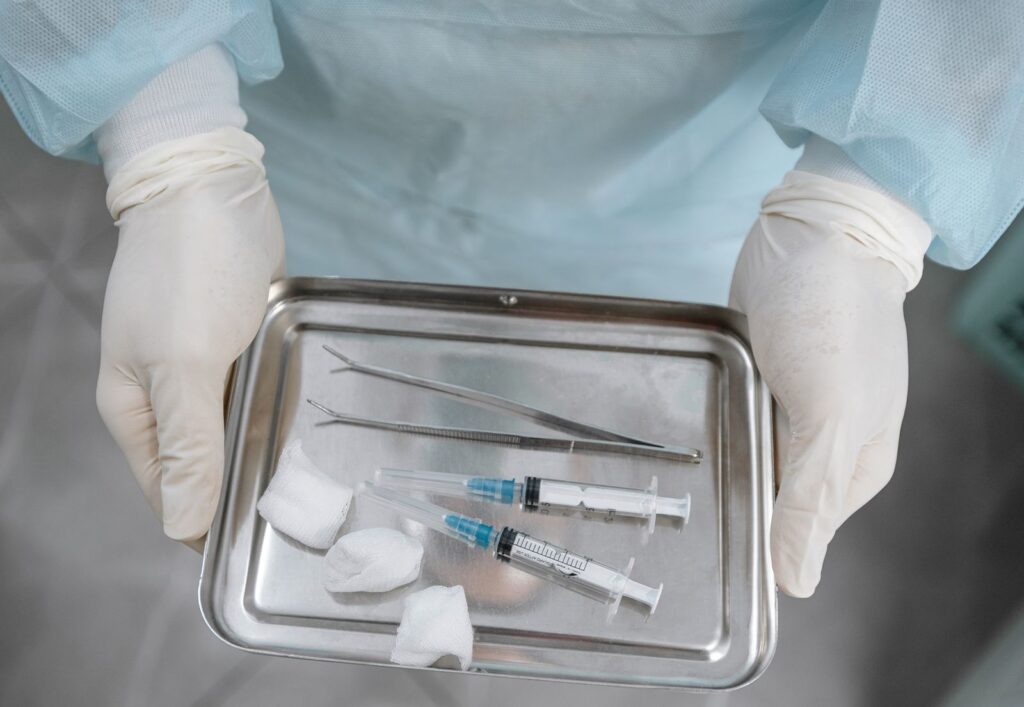
Needles, cannulas, giving sets and fluid bags should be opened from sealed packaging in front of you and never reused. The nurse should clean their hands and your skin before starting.
Products from licensed suppliers
Fluids and vitamins should come from licensed pharmaceutical suppliers, in clearly labelled, in-date packaging. You are entitled to ask to see the labels.
Someone who stays with you
The nurse should stay for the whole drip, watch for any reaction, and remove the cannula safely at the end. You should never be left alone with a running drip.
What questions should you ask before booking?
A professional provider will welcome these questions. Vague or defensive answers are a reason to look elsewhere.

- Who will give the drip, and what are their qualifications?
- What health checks do you do before starting?
- Exactly what is in this drip, and in what amounts?
- Where do your fluids and vitamins come from?
- Is all equipment sterile and single-use?
- Will the nurse stay with me for the whole drip?
- What happens if I have a reaction?
Koh Lanta tip: On Koh Lanta, the government hospital is near Lanta Old Town on the east coast, and larger hospitals are in Krabi Town on the mainland. A good home-visit provider should be able to tell you clearly what they would do and where they would send you if something went wrong.
Who should not have an IV drip?
A wellness drip is not suitable for everyone. Speak to a doctor rather than booking if you:

- Have heart failure, kidney disease or are on a fluid restriction.
- Are pregnant or breastfeeding, unless your own doctor has advised it.
- Have a fever, chest pain, severe abdominal pain, confusion or signs of a serious illness.
- Have had a reaction to an IV drip or its ingredients before.
- Take medicines that could interact with the ingredients, such as blood thinners, unless checked by a doctor.
Competitive athletes should also check anti-doping rules, as some sporting bodies limit IV infusions.
Red flags: when to walk away
Trust your instincts. Say no and look elsewhere if you notice any of the following:
- No health questions or checks before starting.
- Equipment that is already unwrapped, or bags without clear labels.
- Promises that a drip will cure an illness, detox your body, prevent sickness or make you lose weight.
- Offers of skin whitening drips.
- Pressure to add extras or book a long course on the spot.
- The person giving the drip planning to leave you alone with it running.
When to get medical help
When to get medical help: during or after any drip, call 1669 (Thailand emergency ambulance) or go to hospital straight away if you have difficulty breathing, chest pain, swelling of the face or throat, a widespread rash, confusion or you collapse. The same applies to high fever, severe pain or vomiting that will not stop, even if you have not had a drip. These need a doctor, not a wellness service.
How we handle safety at IV Drip Koh Lanta
Every drip we give follows the standards above. A registered nurse comes to your villa, hotel or bungalow, runs a health check first, uses sterile single-use equipment and stays with you for the 45–60 minutes the drip takes. If the nurse feels a drip is not right for you, or that you need a doctor, they will tell you honestly.
You can read the step-by-step process on our how it works page, and our FAQ answers common questions about ingredients and suitability.
Is it safe to get an IV drip in Thailand? The bottom line
An IV drip can be a safe and relaxing option when it is given by a registered professional, with a proper health check, sterile equipment and quality products. Ask questions, expect clear answers, and remember that it is a wellness service, not a replacement for medical care.
If you would like to talk it through before booking, message us on WhatsApp via our contact page.
Frequently asked questions
Who should give an IV drip?
A registered nurse or doctor should place and monitor any IV drip. They should check your health first and stay with you throughout.
Can I ask to see what is in my drip?
Yes. A professional provider will show you the labelled, sealed fluids and vitamins and explain what each one is before starting.
Is an IV drip safe if I have high blood pressure?
It depends on your condition and medicines. Tell the nurse during the health check, and if you have heart or kidney problems, speak to your doctor first.
Can an IV drip replace seeing a doctor?
No. A wellness drip is not emergency or hospital care. Fever, chest pain, severe pain or confusion need a doctor or hospital.