
Key takeaways
- Most people feel a quick, sharp scratch as the needle goes in, then very little.
- The needle is removed straight away, leaving only a thin, soft plastic tube in the vein.
- The fluid can feel cool as it runs into your arm. That is normal.
- If you are nervous or have fainted before, tell your nurse. Lying down and slow breathing help.
If you are thinking about booking a drip but the idea of a needle makes your stomach turn, you are in good company. “Does an IV drip hurt?” is one of the first questions nervous guests ask us. The honest answer is that there is a brief, sharp scratch when it goes in, and for most people that is the worst of it.
This guide explains exactly what happens and what you will feel at each stage, and shares some practical tips for anyone who is scared of needles.
So, does an IV drip hurt?
For most people, the only part that hurts is the moment the needle goes through the skin. It is usually described as a quick, sharp scratch or pinch, similar to a blood test. It lasts a second or two.
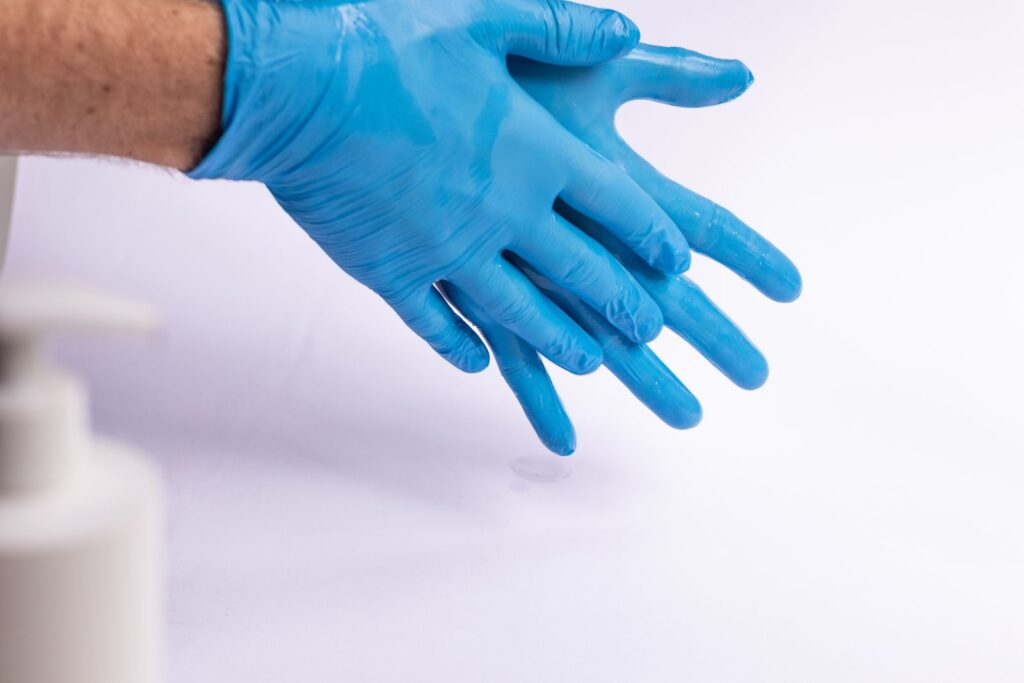
After that, most people feel little more than a slight awareness of something in their arm. Everyone is different, and some people have veins that are harder to find, which can mean a second attempt. A good nurse will take their time choosing a vein to make that less likely.
What actually goes into your arm: the cannula explained
A common worry is that a needle stays in your arm for the whole drip. It does not. The nurse uses a needle to guide a cannula into the vein. A cannula is a very thin, flexible plastic tube.
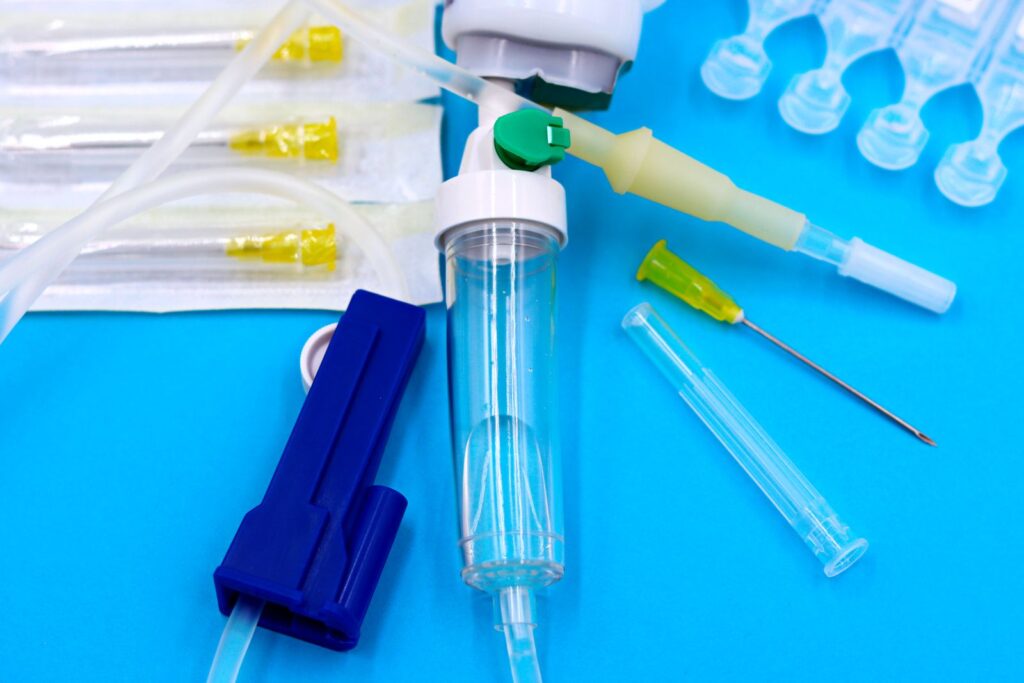
Once the cannula is in place, the needle is taken out straight away. Only the soft tube stays in the vein, held in place with a clear dressing or tape. The drip line is then connected to it.
Because the tube is soft, you can usually move your hand and arm gently, scroll on your phone or read a book. You will just be asked to keep the arm fairly still and avoid bending it sharply if the cannula is near your elbow.
What does an IV drip feel like once it is running?
Once the fluid starts to flow, many people notice a cool sensation travelling up the arm. The fluid is at room temperature, which is cooler than your blood, so this is completely normal and usually fades as you get used to it.

Some people also notice a faint taste in the mouth when certain vitamins go in. Others feel nothing at all and simply relax, chat or doze off. The drip itself usually takes around 45 to 60 minutes, plus a few minutes for the health check beforehand.
What you should not feel is increasing pain, burning, or swelling around the cannula site. Those can mean the cannula has moved or fluid is leaking into the surrounding tissue. Tell your nurse straight away. They will stop the drip and check it, and it is easily put right.
Your first time IV drip: step by step
Knowing what is coming makes the whole thing far less daunting. A typical first visit goes like this:
- The health check. A registered nurse asks how you feel, about your medical history and any medicines, and checks the basics. This is the moment to mention any fear of needles.
- Getting comfortable. You sit back or lie down on a bed or sofa. Lying down is a good idea if you feel nervous.
- Finding a vein. The nurse places a band around your upper arm, looks for a suitable vein and cleans the skin.
- The scratch. A quick, sharp feeling as the cannula goes in, then the needle comes out.
- The drip. The fluid runs in slowly while you rest. The nurse stays with you and keeps an eye on how you are doing.
- Finishing. The cannula is removed, which most people barely notice, and a small dressing or plaster goes on.
You can read more about each stage on our how it works page.
Scared of needles? IV drip tips that help
A fear of needles is very common and nothing to be embarrassed about. These simple steps help many people:

- Tell your nurse. Nurses look after nervous patients all the time. Knowing you are anxious helps them go at your pace.
- Lie down. If you have ever felt faint at a blood test, lying flat makes fainting much less likely.
- Drink some water beforehand. Being well hydrated can make veins easier to find, unless you have been told to limit fluids.
- Keep warm. Veins are often easier to see when you are warm, so you may want the air conditioning a little higher for a few minutes.
- Look away and breathe out slowly. A long, steady out-breath as the needle goes in helps many people stay calm.
- Have a distraction ready. A podcast, a playlist or a friend to chat to makes the time pass quickly.
Koh Lanta tip: Many guests find it easier to relax in their own space. Having your drip on a shaded terrace or in a cool room at your villa or bungalow, rather than somewhere unfamiliar, can take the edge off first-time nerves.
What if I feel faint or dizzy?
Some people feel light-headed, sweaty or sick at the sight or thought of a needle. This is a common reaction, not a sign that something has gone wrong, but it is important to say something as soon as you notice it.

Tell your nurse straight away if you feel faint, dizzy, unusually hot or cold, or short of breath at any point. They can lie you down, raise your legs, slow or pause the drip and check you over. Do not try to tough it out quietly.
Does it hurt afterwards?
Once the cannula is out, most people feel fine. The site may feel a little tender for a day or so, and a small bruise is common, especially if you bruise easily. It usually fades on its own over several days.
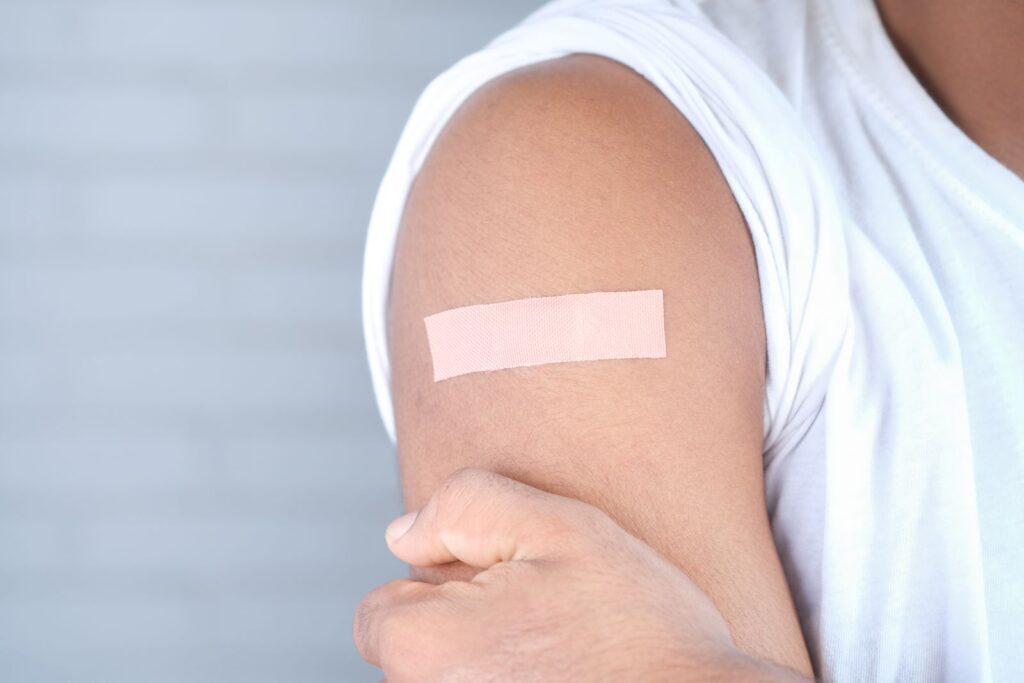
Your nurse will give you aftercare advice before they leave. If the site becomes increasingly red, swollen, hot or painful, or you develop a fever, seek medical advice.
The honest answer for nervous first-timers
So, does an IV drip hurt? Briefly, yes, for a second or two. After that, most people find it far easier than they feared, and many are surprised how relaxing the rest of the visit is. If you are still unsure, read our guide to which IV drip to get, or message us on WhatsApp to ask any questions before you book.
Frequently asked questions
What does an IV drip feel like?
You feel a quick, sharp scratch as the cannula goes in. After that, many people notice a cool feeling in the arm as the fluid runs in, and little else.
I am scared of needles. Can I still have an IV drip?
Yes, many nervous people do. Tell your nurse at the start, lie down, look away and breathe out slowly as the needle goes in.
Does the needle stay in my arm during the drip?
No. The needle is only used to place a thin, soft plastic tube called a cannula, and it is removed straight away.
Is a first time IV drip more painful than a blood test?
For most people it feels very similar to a blood test. The difference is that the soft cannula stays in place while the drip runs.