Key takeaways
- Good skin care after sunburn in Thailand starts with cooling the skin, drinking plenty of fluids and staying out of the sun.
- Aloe vera gel, loose cotton clothing and simple fragrance-free moisturiser help; avoid popping blisters.
- Blistering over a large area, fever, chills, confusion or vomiting need a doctor, not home care.
- Prevention is easier than recovery: shade between late morning and mid-afternoon, a hat, and generous reef-friendly sunscreen.
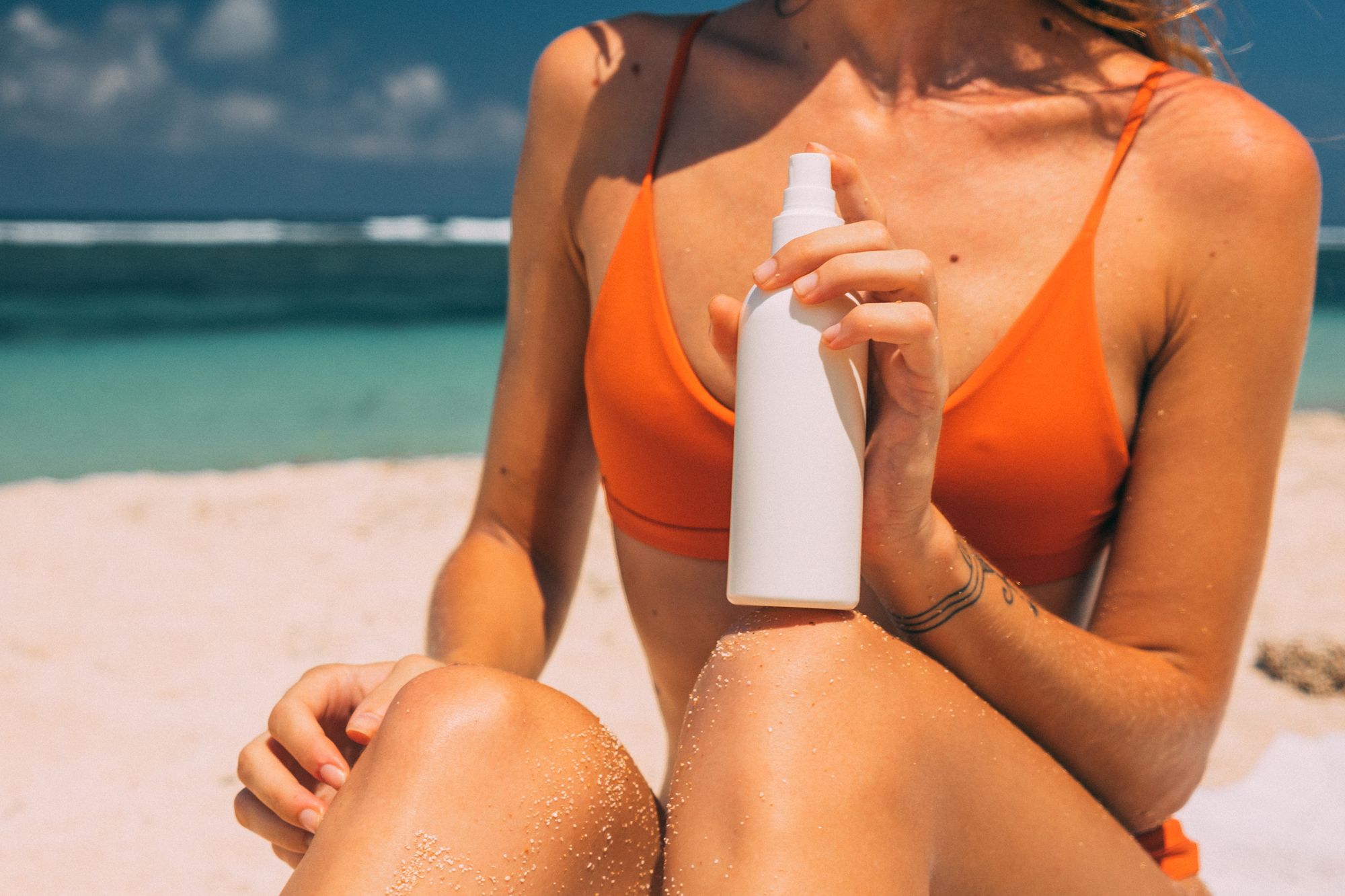
It happens to almost everyone at some point. You spend a perfect afternoon on Long Beach or out on a boat trip, and by evening your shoulders are glowing pink and hot to the touch. Good skin care after sunburn in Thailand is mostly about simple, sensible steps, taken early.
This guide covers what to do in the first few hours, how to look after your skin over the next few days, when sunburn becomes a medical problem, and how to avoid a repeat for the rest of your holiday.
Why does sunburn happen so fast in Thailand?
Thailand sits close to the equator, so the sun is high in the sky for much of the day and its ultraviolet (UV) rays are strong all year round. Even on hazy or cloudy days, UV still reaches your skin.

On Koh Lanta, a few things make it easier to burn without noticing. Sea breezes keep you feeling cool, water and pale sand reflect light back at you, and swimming washes off sunscreen. Many visitors also arrive from a northern winter with skin that has not seen strong sun for months.
What should you do in the first few hours?
As soon as you notice redness or heat, get out of the sun. Sunburn usually keeps developing for several hours after exposure, so the real damage often shows later that evening or the next morning.
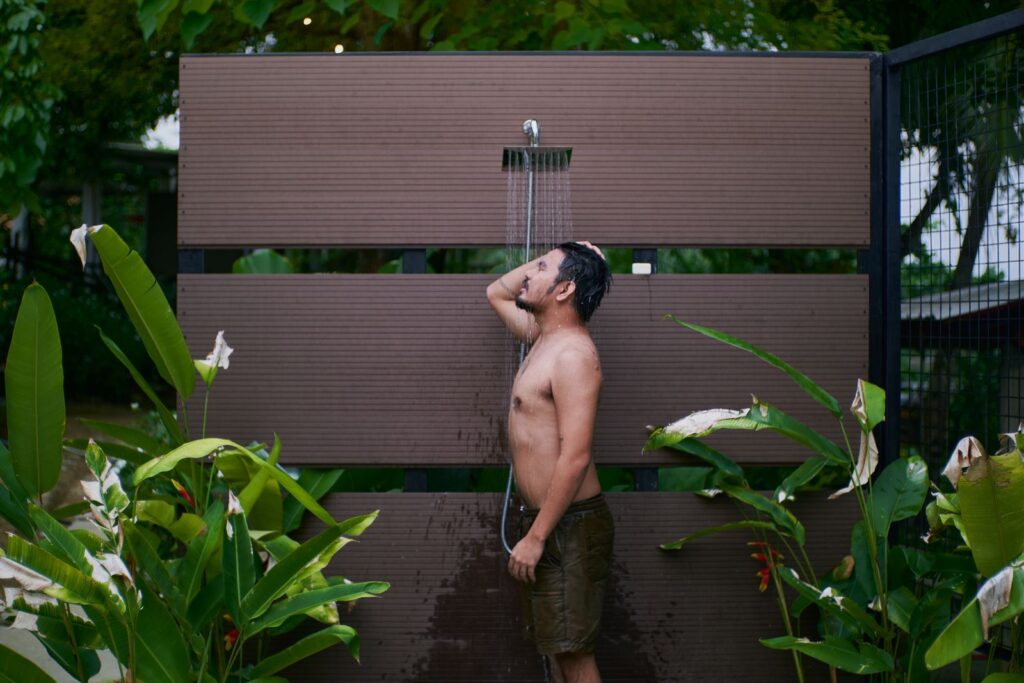
- Cool the skin. Take a cool (not icy) shower or apply a damp cloth for ten to fifteen minutes. Do not put ice directly on burnt skin.
- Drink water. Sunburn draws fluid to the skin and the heat makes you sweat, so sip water steadily through the evening.
- Apply a soothing gel. Plain aloe vera gel or a light, fragrance-free moisturiser can make skin feel more comfortable.
- Wear loose cotton. Tight straps and synthetic fabrics rub on sore skin.
- Consider simple pain relief. A pharmacist can advise on over-the-counter painkillers that suit you, especially if you take other medicines.
Koh Lanta tip: Aloe vera gel, after-sun lotion and oral rehydration salts are easy to find in pharmacies in Saladan and along the main west-coast road. Ask the pharmacist for a plain gel without added alcohol or strong fragrance, which can sting burnt skin.
How should you care for sunburnt skin over the next few days?
Sunburnt skin is damaged skin, and it needs time to repair. For the next few days, treat it gently and keep it covered when you go outside.

- Keep moisturising with a simple, unperfumed product, especially after showers.
- Leave blisters alone. They protect the skin underneath; if one breaks, keep the area clean and covered with a light dressing.
- Avoid hot showers, scrubs, harsh soaps and anything containing alcohol on the burnt area.
- Skip butter, oils, toothpaste and other home remedies, which can trap heat or irritate the skin.
- Stay out of direct sun until the redness has settled. If you go out, cover up with clothing rather than relying on sunscreen alone.
Peeling is normal after a moderate burn. Resist the urge to pull loose skin away, as the new skin underneath is thin and sensitive. Keep moisturising and let it come away on its own.
Hydration matters more than you think
Sunburn and dehydration often go hand in hand. A long day in the heat, a few cold beers at a sunset beach bar and not much water can leave you headachy, tired and thirsty on top of the burn.
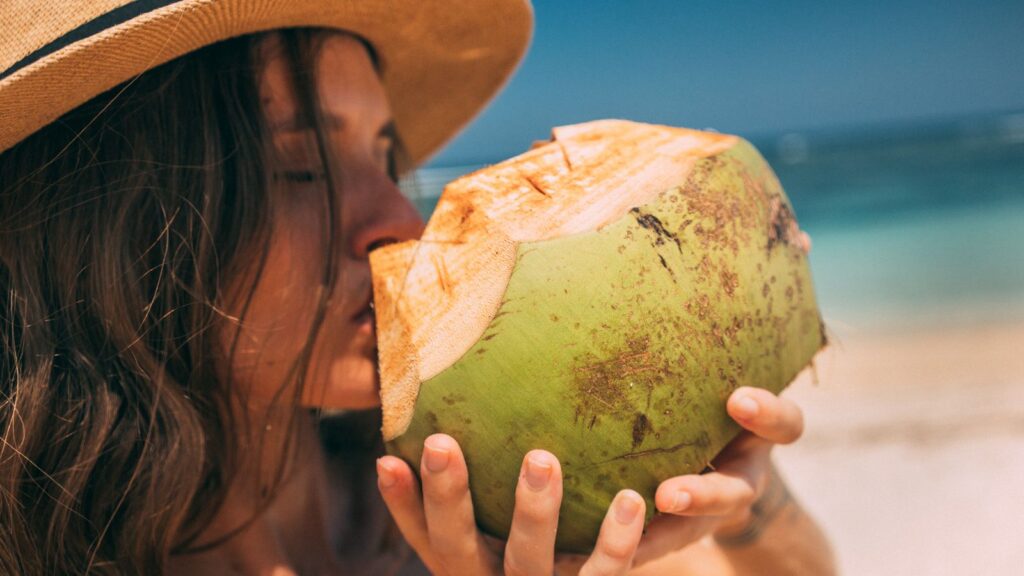
Drink water regularly, and if you have been sweating a lot, add an oral rehydration sachet to replace lost salts. Pale yellow urine is a good sign you are drinking enough. Dark urine, a dry mouth and dizziness suggest you need more fluids. Our guide to dehydration in Thailand explains the signs in more detail.
Can an IV drip help after too much sun?
An IV drip does not heal sunburn, and it is not a substitute for cooling, covering up and resting. What it can do is help you rehydrate if the sun has left you feeling drained, and top up fluids and vitamins while you recover.
Our Beauty Glow drip combines fluids with vitamin C, biotin and glutathione. Many guests simply enjoy lying down in the shade of their villa for an hour while a registered nurse takes care of everything. We are honest about the skin side: the evidence that glutathione or vitamins in a drip give a visible glow is limited, and we never offer or promote it for skin whitening.
Before any drip, the nurse runs a health check. If your sunburn is severe or you have signs of heat illness, they will tell you to see a doctor instead. If dehydration is the main issue, the Hydration Boost drip may be the better fit.
IV drip on Koh Lanta
Beauty Glow IV drip
A glutathione and vitamin C treat for skin that has had too much sun and travel. A registered nurse comes to your villa, hotel or bungalow anywhere on Koh Lanta.
When does sunburn need a doctor?
Most sunburn settles with home care within a week. Some burns, though, are more serious, and sunburn can come with heat exhaustion or heatstroke.

When to get medical help
When to get medical help: see a doctor if blisters cover a large area, the pain is severe, the skin looks infected (spreading redness, pus, increasing swelling), or you have a fever, chills, headache or nausea. Call 1669 (Thailand emergency ambulance) or go straight to hospital if someone is confused, faints, stops sweating with hot skin, has a seizure, or cannot keep fluids down. Koh Lanta Hospital is near Lanta Old Town on the east coast, and larger hospitals are in Krabi Town on the mainland.
Babies and young children burn more easily and can become unwell quickly, so get a burnt child checked sooner rather than later. The same goes for anyone taking medicines that make skin more sensitive to light; a pharmacist or doctor can tell you whether yours do.
How can you avoid getting burnt again?
Once you have burnt, your skin is more vulnerable for the rest of the trip. A few habits make a big difference:

- Avoid the midday sun. Plan beach time and boat trips for the morning and late afternoon, and rest in the shade in between.
- Use enough sunscreen. Apply generously 15–20 minutes before going out, and reapply every two hours and after swimming or towelling off.
- Choose reef-friendly sunscreen. Look for mineral formulas, which are kinder to the corals you will see snorkelling and diving.
- Cover up. A wide-brimmed hat, sunglasses and a long-sleeved rash vest for snorkelling protect better than any lotion.
- Watch the hidden spots. Tops of feet, backs of knees, ears and the parting in your hair burn easily.
Koh Lanta tip: Hiring a scooter? Your forearms, hands and the fronts of your thighs get hours of direct sun while the breeze keeps you feeling cool. Cover up or apply sunscreen before setting off for Kantiang Bay or Lanta Old Town.
Skin care after sunburn in Thailand: the bottom line
Cool the skin, drink plenty, moisturise gently and stay out of the sun while it heals. Know the warning signs that mean a doctor is needed, and do not hesitate to get help if they appear.
If you would like to rest and rehydrate at your accommodation while you recover, you can message us on WhatsApp via our contact page.
Frequently asked questions
How long does sunburn take to heal?
Mild sunburn usually settles in three to five days. A moderate burn with peeling can take around a week, while severe blistering burns may take longer and should be checked by a doctor.
Is aloe vera good for sunburn?
Plain aloe vera gel can feel cooling and soothing on sunburnt skin. Choose one without added alcohol or strong fragrance, and stop using it if it stings or causes a rash.
Can I swim in the sea with sunburn?
It is best to give badly burnt skin a break from sun and salt water. If you do swim, cover the burnt area with a rash vest and avoid the middle of the day.
Can an IV drip help with sunburn?
An IV drip does not heal sunburn, but it can help you rehydrate if you feel drained after too much sun. A nurse checks you first, and severe sunburn or signs of heat illness need a doctor.