
Key takeaways
- Heat exhaustion is your body struggling to cool down, and it usually improves within 30 minutes of cooling and fluids.
- Heatstroke is a medical emergency: confusion, collapse or a very high temperature means calling 1669.
- Shade, cool water, rest and electrolytes are the first aid basics.
- The hot season, roughly March to May, needs extra care, especially on scooters and boat trips.
Koh Lanta’s sunshine is a big part of its charm, but the combination of heat, humidity and a busy holiday can catch people out. Heat exhaustion on Koh Lanta often happens on an ordinary day: a scooter ride to the south of the island, a walk around Lanta Old Town at midday, or an afternoon on a boat with no shade.
Knowing the signs, and the difference between heat exhaustion and heatstroke, means you can act quickly and keep a bad afternoon from becoming an emergency.
What is heat exhaustion?
Heat exhaustion happens when your body gets too hot and loses too much water and salt through sweating. It is not usually dangerous if you cool down quickly, but if it is ignored it can progress to heatstroke.
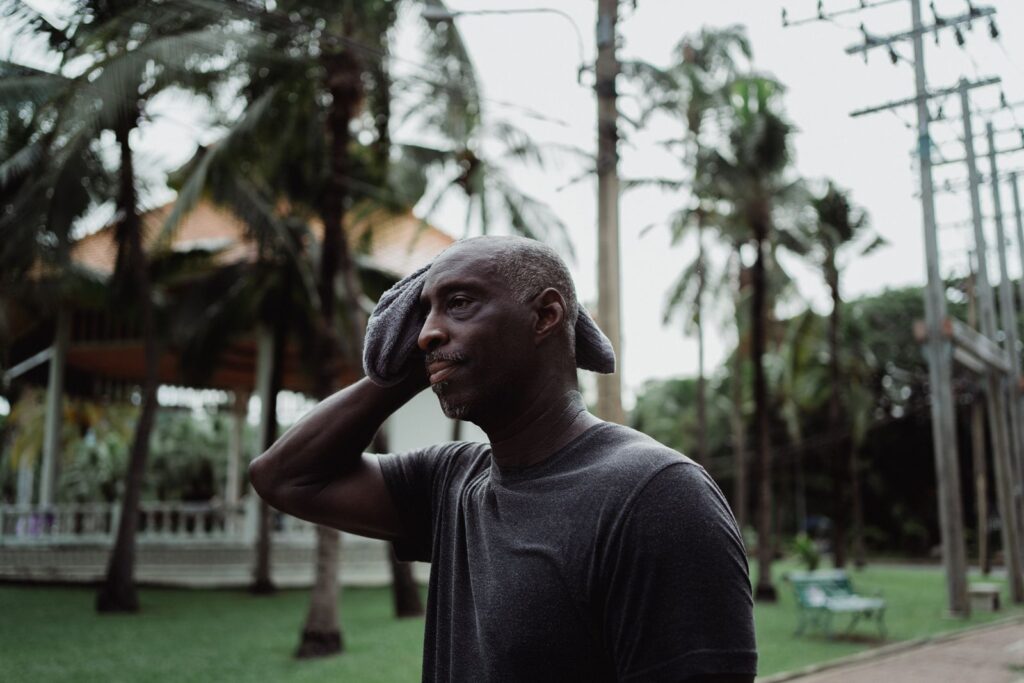
Common signs include:
- Heavy sweating and cool, clammy skin.
- Headache, dizziness or feeling faint.
- Nausea or loss of appetite.
- Muscle cramps in the arms, legs or stomach.
- Fast breathing or a fast pulse.
- Intense thirst and tiredness.
Heat exhaustion vs heatstroke: what is the difference?
This is the most important part of the article. Heatstroke is when your body’s temperature control stops working properly. It is a medical emergency.
- Heat exhaustion: sweating, clammy skin, feeling weak and dizzy, but the person is alert and starts improving with rest and cooling.
- Heatstroke: a very high body temperature, confusion, slurred speech, strange behaviour, seizures, fainting or collapse. Skin may be hot and dry, or still sweaty. The person does not improve with simple cooling.
If you are unsure which one it is, treat it as heatstroke and get help.
When to get medical help
Call 1669 (Thailand’s emergency ambulance number) straight away if someone is confused, has slurred speech, has a seizure, collapses or loses consciousness, or does not improve within 30 minutes of cooling down. While you wait, move them into the shade, remove extra clothing, cool them with water and fanning, and do not give fluids if they are not fully alert. Go to hospital for any suspected heatstroke. Koh Lanta Hospital is near Lanta Old Town on the east coast, and larger hospitals are in Krabi Town.
Heat exhaustion first aid: what to do right now
If you or someone with you shows signs of heat exhaustion, act straight away:
- Get out of the heat. Move into shade, an air-conditioned room or anywhere with a breeze.
- Lie down and raise the legs slightly if feeling faint.
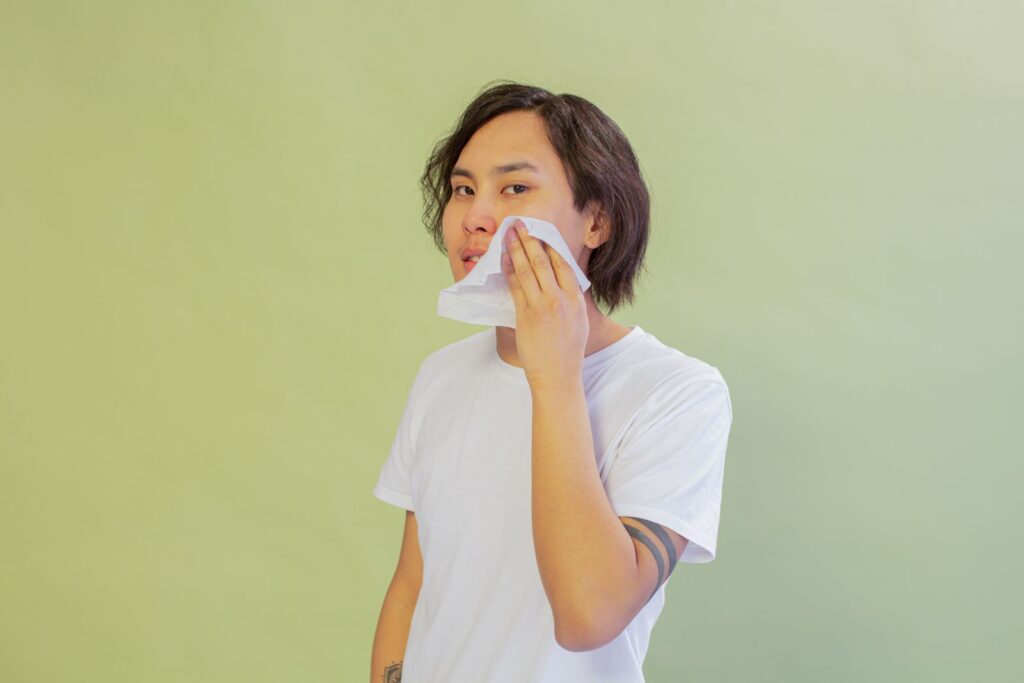
- Cool the skin. Use cool, wet cloths on the neck, armpits and forehead, spray or splash with water, and fan the skin.
- Sip fluids. Water is fine, but oral rehydration salts or a sports drink help replace lost salts.
- Loosen or remove tight or extra clothing.
- Stay with them and watch for any of the heatstroke signs above.
Most people start to feel better within about 30 minutes. Even then, take the rest of the day easy, stay in the shade and keep drinking. Your body needs time to recover.
Heat exhaustion on Koh Lanta: why is the hot season riskier?
Koh Lanta is warm all year, but the hot season, roughly March to May, brings the highest temperatures, and the end of high season overlaps with it. Humidity makes it harder for sweat to evaporate and cool you, so you can overheat even when it does not feel scorching.
People at higher risk include young children, older adults, anyone with heart or kidney problems, people taking certain medicines such as diuretics, and anyone who has just arrived from a cold climate. Alcohol and a recent tummy bug also make heat illness more likely.
How to avoid heat exhaustion on scooter and island trips
Two of the most popular ways to explore Koh Lanta, scooters and boat trips, are also when people tend to overheat.
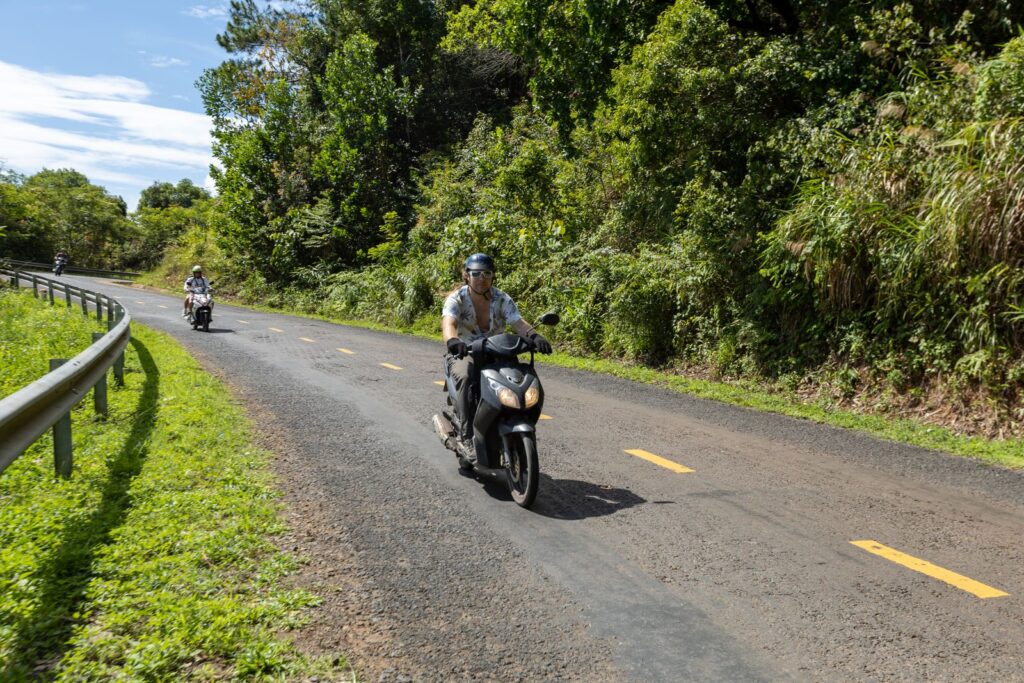
On a scooter
- The breeze while riding hides how hot you are getting. Stop regularly for shade and a drink.
- Plan longer rides, for example from Saladan down to Kantiang Bay, for the morning or late afternoon.
- Wear a helmet, a light long-sleeved top and sunscreen, and carry water.
- Pull over and rest if you feel dizzy. Riding while light-headed is dangerous.
On a boat or island trip
- Take more water than you think you need, plus an ORS sachet.
- Sit in the shade between stops, and wear a hat and a rash vest when snorkelling.
- Skip the beers until you are back on land.
- Tell the crew straight away if anyone in your group feels unwell.
Koh Lanta tip: Use the cooler parts of the day for exploring. Mornings are great for the beaches and viewpoints, and the late afternoon is perfect for heading to a west-coast beach for sunset. Save the hottest hours for a long lunch, a swim or a nap.
Recovering the day after heat exhaustion
Even after you feel better, you may be tired, headachy or a bit washed out the next day. Keep drinking little and often, add electrolytes, eat light salty food, and avoid strenuous activity and alcohol until you feel fully back to normal.
If you are struggling to rehydrate, a Hydration Boost drip is one option once the acute episode has passed and you are alert and stable. It contains 1 litre of electrolyte fluids, B complex vitamins and magnesium, and a registered nurse gives it at your accommodation after a health check, over roughly 45 to 60 minutes. It can help top up your fluids, but it is a wellness service and never a substitute for emergency care if heatstroke signs appear.
IV drip on Koh Lanta
Hydration Boost IV drip
Fast rehydration for hot days, long excursions and upset stomachs. A registered nurse comes to your villa, hotel or bungalow anywhere on Koh Lanta.
For more on staying hydrated day to day, read our guide to dehydration in Thailand.
Stay cool and enjoy the island
Heat exhaustion on Koh Lanta is very preventable. Respect the midday sun, drink and add electrolytes regularly, take breaks on scooter rides and boat trips, and know the heatstroke warning signs. If you would like advice on whether a home-visit drip suits you during your recovery, message us on WhatsApp.
Frequently asked questions
How long does heat exhaustion last?
With prompt cooling, rest and fluids, most people start to feel better within about 30 minutes, although tiredness can last into the next day. If there is no improvement within 30 minutes, get medical help.
What is the hottest time of year on Koh Lanta?
The hot season runs roughly from March to May, when temperatures and the risk of heat illness are highest.
Can I have an IV drip for heatstroke?
No. Heatstroke is a medical emergency, so call 1669 or go to hospital. A wellness drip is only an option later, once someone is alert, stable and recovering.
Should I drink water or electrolytes for heat exhaustion?
Water helps, but oral rehydration salts or a sports drink are better because they replace the salts lost through sweat.