Key takeaways
- Start hydrating the day before a dive trip, not on the boat.
- Diving with a hangover is a bad idea: skip the heavy night before.
- If you want an IV drip, book it after your diving, and check with your dive centre or a doctor if unsure.
- Any unusual symptoms after diving need medical advice, not a drip.
Koh Lanta is a brilliant base for diving, with popular trips to Koh Haa and Hin Daeng / Hin Muang in the Andaman Sea. Dive days are long, though, and it is easy to come home more drained than you expected. These diving dehydration tips will help you feel better on the boat and afterwards.
Staying well hydrated is one of the simplest things divers can do to look after themselves. It will not guarantee anything, but it helps you feel more comfortable, think more clearly and recover better.
Why do divers get dehydrated?
Several things combine on a typical dive day:
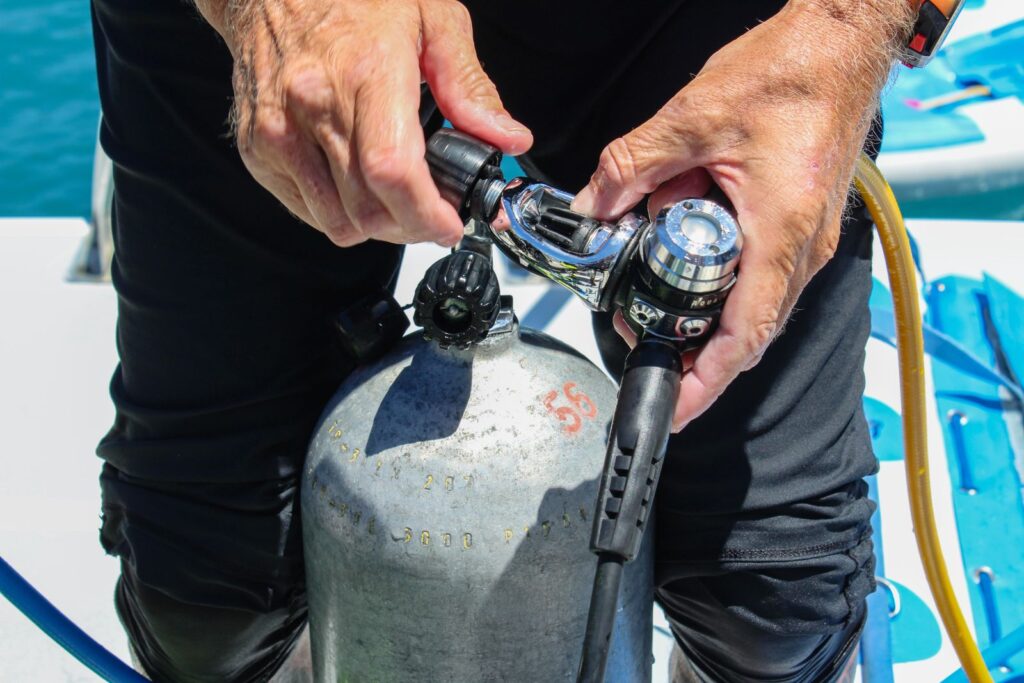
- Dry air. The air in a scuba tank is very dry, and you lose moisture with every breath underwater.
- Immersion. Being in water tends to make your body produce more urine, so you lose fluid during the dive.
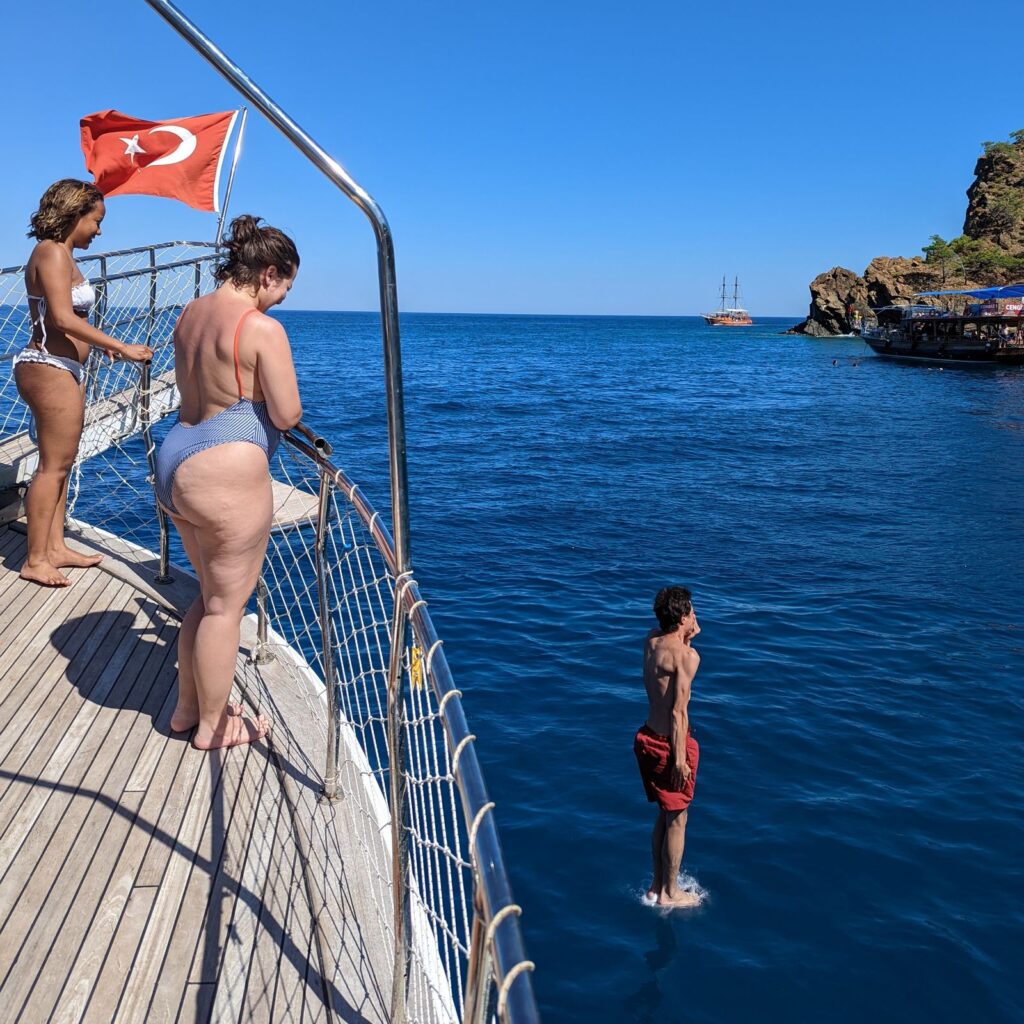
- Sun and heat. Time on the boat between dives, often in strong sun, makes you sweat.
- Seasickness. Feeling queasy can put you off drinking and eating.
- Early starts. It is easy to skip breakfast and water when rushing to the pier.
Dehydration is also widely seen as one of the factors that may raise the risk of decompression illness, which is another good reason to take fluids seriously.
How to hydrate before a dive trip
Good hydration starts the day before, not on the boat. Try this:

- Drink water steadily through the day before your trip.
- Eat a proper evening meal with some salt.
- Keep alcohol light or skip it altogether.
- Get a good night’s sleep.
- In the morning, have a glass of water and a light breakfast before you leave.
Pale straw-coloured urine before you set off is a good sign you are in decent shape.
Why don’t hangovers and diving mix?
It is tempting to enjoy the sunset bars on Long Beach the night before a trip. But alcohol is a diuretic, so you start the day already low on fluids. A hangover can also bring nausea, headaches and slower thinking, none of which you want at depth.
Alcohol can affect your judgement and coordination for longer than you might think. The kindest thing you can do for your dive day is to keep the night before quiet. If you do wake up feeling rough, talk honestly to your dive centre about whether to dive. Sitting a dive out is always the safer choice when in doubt.
Koh Lanta tip: Many dive trips from Koh Lanta leave early. If you are staying near the bars of Long Beach, plan a quiet night before your trip and save the celebrations for after your last dive.
Staying hydrated on the dive boat
- Bring your own refillable bottle and drink between dives, even if you do not feel thirsty.
- Add oral rehydration salts, available from pharmacies in Saladan, if it is very hot or you sweat a lot.
- Stay in the shade on the boat and cover up between dives.
- Eat the snacks and lunch offered; food helps you hold on to fluid.
- Go easy on coffee and fizzy drinks.
If you feel seasick, small regular sips are easier than large gulps. Tell the crew if you are struggling.
After your last dive
The trip back to the pier is a good time to keep sipping. Once you are home, have a proper meal, a cool shower and a rest in the shade or air conditioning. Keep drinking through the evening, and if you plan a drink at sunset, alternate it with water. Check your urine colour again before bed. If you are diving again the next day, an early night will help far more than anything else.
Can you dive after an IV drip?
This is a common question, and the safest answer is to schedule your drip after diving rather than before. That way it fits around your dive plans rather than the other way round.
If you are considering a drip before a dive, check with your dive centre and, ideally, a doctor familiar with diving medicine first. Our nurse will also ask about your diving plans during the health check. A drip should never be used to make someone feel well enough to dive when they would otherwise sit it out.
How can a Dive & Active Recovery drip help?
After a long day on the water, many divers simply want to rest. Our Dive & Active Recovery drip contains amino acids, magnesium, B complex vitamins and fluids. It can help you rehydrate and top up some nutrients while you lie down at your villa or hotel.
A registered nurse comes to you, runs a health check and stays for around 45 to 60 minutes. It works alongside, not instead of, drinking water, eating well and resting. If you are on a multi-day dive trip, you can also read about group bookings for your buddies.
IV drip on Koh Lanta
Dive & Active Recovery IV drip
Recover between dive days, training sessions and big adventures. A registered nurse comes to your villa, hotel or bungalow anywhere on Koh Lanta.
When is it more than tiredness?
Feeling tired and a bit thirsty after diving is normal. But some symptoms may point to decompression illness or another problem and need urgent medical help, not an IV drip.
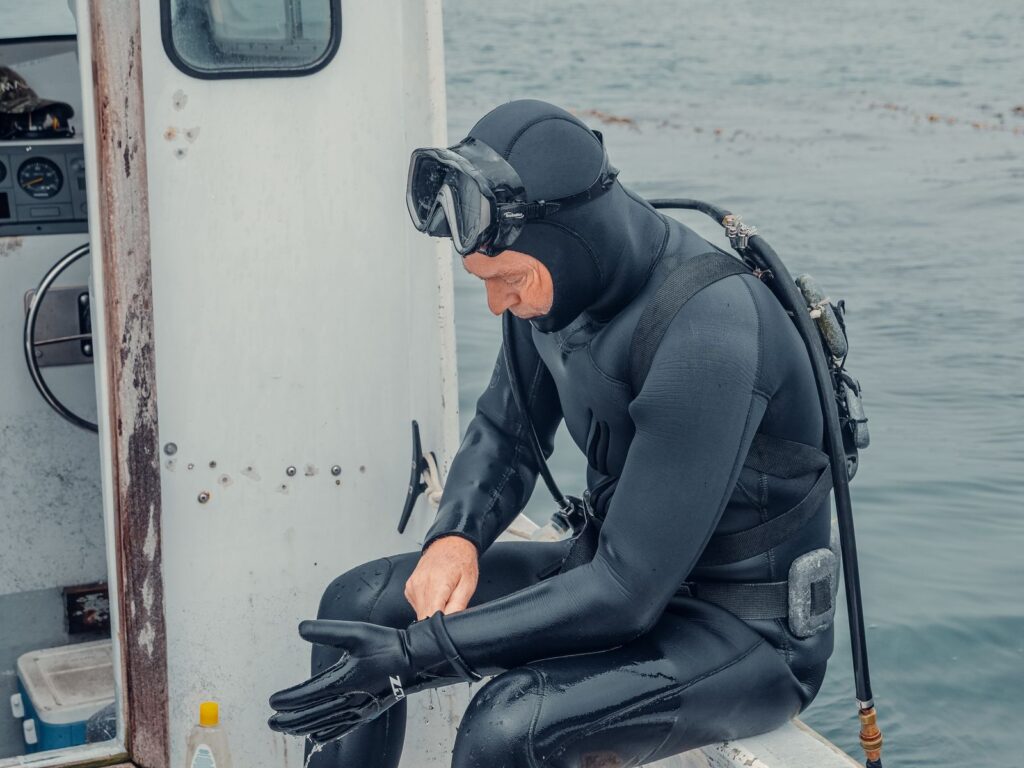
When to get medical help
When to get medical help. After diving, take seriously any joint or limb pain, unusual tiredness, numbness, tingling, weakness, skin rash or itching, dizziness, confusion, breathing difficulty, chest pain or trouble speaking or seeing. Tell your dive centre straight away, call 1669 for an ambulance and go to hospital. Tell the medical team you have been diving. Koh Lanta Hospital is near Lanta Old Town, and larger hospitals are in Krabi Town.
Diving dehydration tips: a simple dive-day checklist
To sum up, here is a quick routine to follow for every dive day on Koh Lanta:
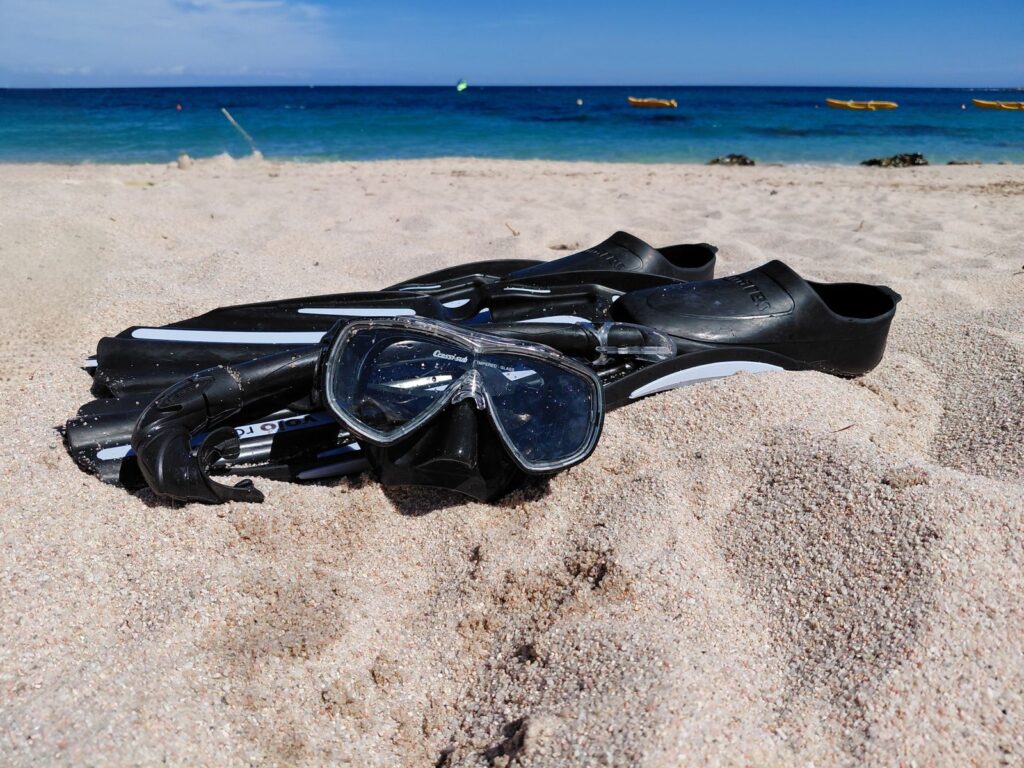
- Quiet night, plenty of water and a proper meal the day before.
- Water and breakfast before you leave for the pier.
- Regular sips and some electrolytes between dives.
- Shade, a hat and cover-up on the boat.
- Rest, food and fluids after you get back, with an optional recovery drip if it suits you.
- Follow your dive centre’s guidance on flying after diving.
If you would like to book a recovery drip after your dive trip, message us on WhatsApp and let us know your diving schedule.
Frequently asked questions
Can I have an IV drip before diving?
We recommend scheduling your drip after diving. If you are considering one before, check with your dive centre and a doctor familiar with diving medicine first.
Is it safe to dive with a hangover?
It is not a good idea. Alcohol leaves you dehydrated and can affect judgement and coordination, so if in doubt, sit the dive out.
How much water should divers drink?
There is no single figure. Drink steadily the day before and between dives, and aim for pale straw-coloured urine.
What is in the Dive & Active Recovery drip?
It contains amino acids, magnesium, B complex vitamins and fluids, given by a registered nurse after a health check.