Key takeaways
- Training in tropical heat means large sweat losses: replace fluids and salts after every session.
- Sleep, food and planned rest days matter as much as the training itself.
- Ease in during your first week while your body adjusts to the heat.
- Competitive athletes: check anti-doping rules before having any IV infusion.
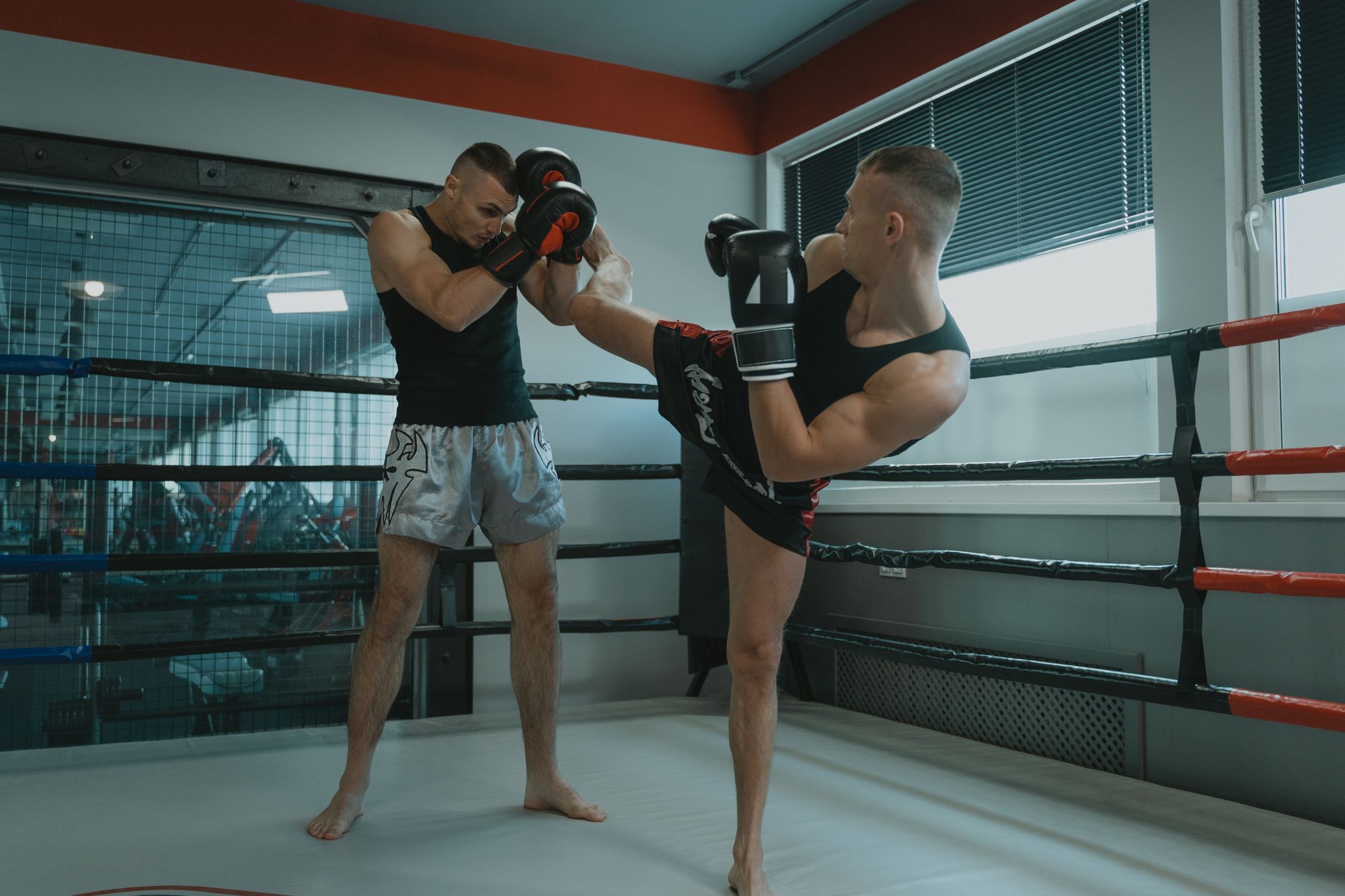
Many visitors come to Koh Lanta to train at one of the island’s Muay Thai gyms. It is a fantastic way to get fit, but training twice a day in tropical heat is a very different challenge from a session at home. Good Muay Thai training recovery in Thailand is what keeps you on the pads all week rather than flat on your bed.
This guide covers the basics: heat, sweat, sleep, food and rest. None of it needs anything special, and it works whether you are here for a week or a season.
Why is training in the heat so demanding?
When you exercise hard, your body produces heat. In a cool climate, sweat evaporates easily and keeps you cool. In the humid heat of the Andaman coast, sweat evaporates more slowly, so your body works harder and you sweat more.
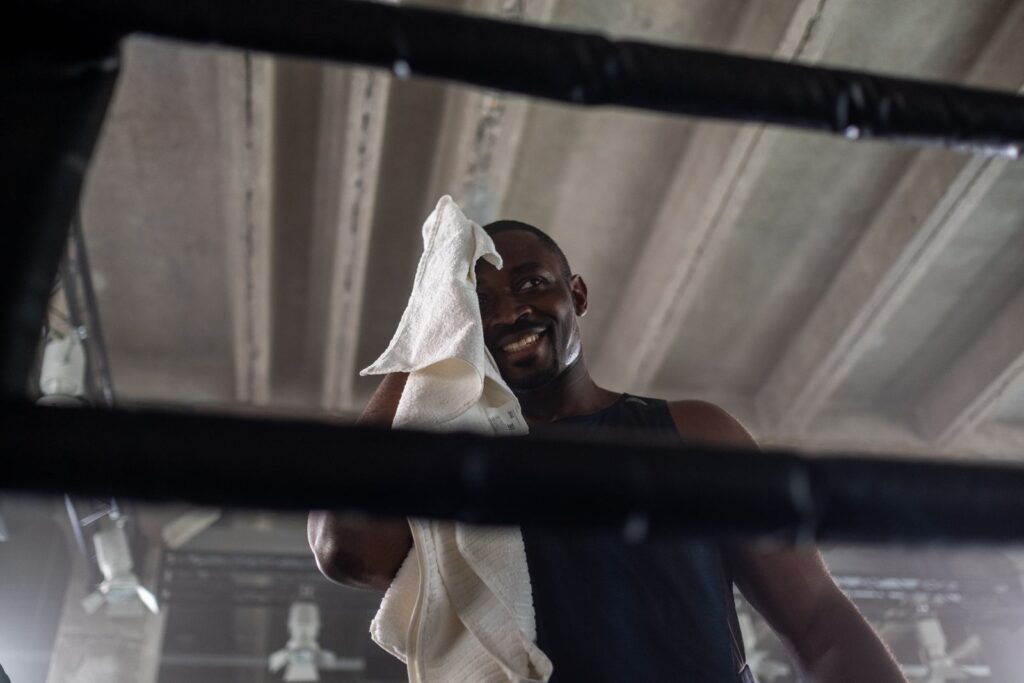
That sweat carries away water and salts such as sodium. Lose too much without replacing it and you may feel dizzy, cramp up, get headaches or find your performance dropping off. During the hot season, roughly March to May, this is even more noticeable.
How much should you drink when training Muay Thai?
There is no single right amount, because sweat rates vary widely between people. A practical approach is:
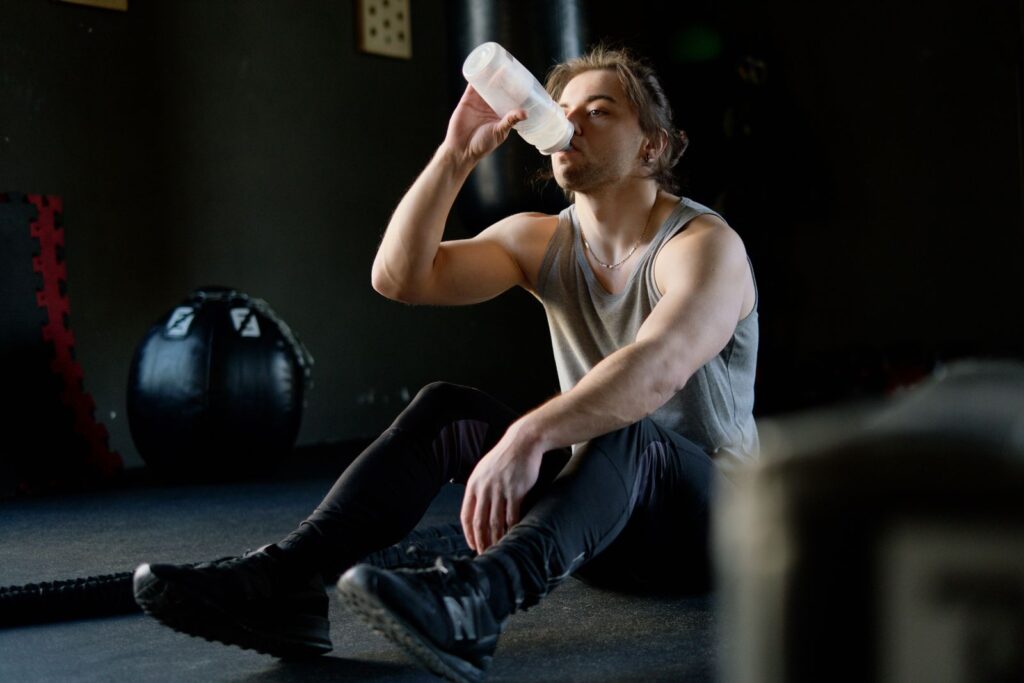
- Arrive at training already hydrated, having sipped water through the day.
- Take small drinks during breaks in the session.
- Rehydrate steadily afterwards, rather than downing a huge amount at once.
- Use oral rehydration salts or an electrolyte drink after long or very sweaty sessions.
- Check your urine colour: pale straw is the aim.
Weighing yourself before and after a session can give you a rough idea of how much fluid you lose, which helps you plan. Avoid drinking excessive amounts of plain water with no salt, as that can upset your sodium balance.
Koh Lanta tip: Pharmacies in Saladan and along the main west-coast road sell oral rehydration salts. Keep a few sachets in your gym bag for after afternoon sessions, when the heat is at its strongest.
Sleep: your most important recovery tool
Sleep is when your body repairs muscle and restores energy. Training twice a day without enough sleep is a fast route to feeling run down.

- Aim for a regular bedtime and wake time.
- Keep your room cool and dark, using air conditioning or a fan.
- A short nap between morning and afternoon sessions can help.
- Go easy on late nights at the beach bars during heavy training weeks.
What should you eat to recover from Muay Thai?
Hard training needs fuel. Thai food can work very well for this, with plenty of rice, noodles, fruit, eggs, chicken, fish and soups.
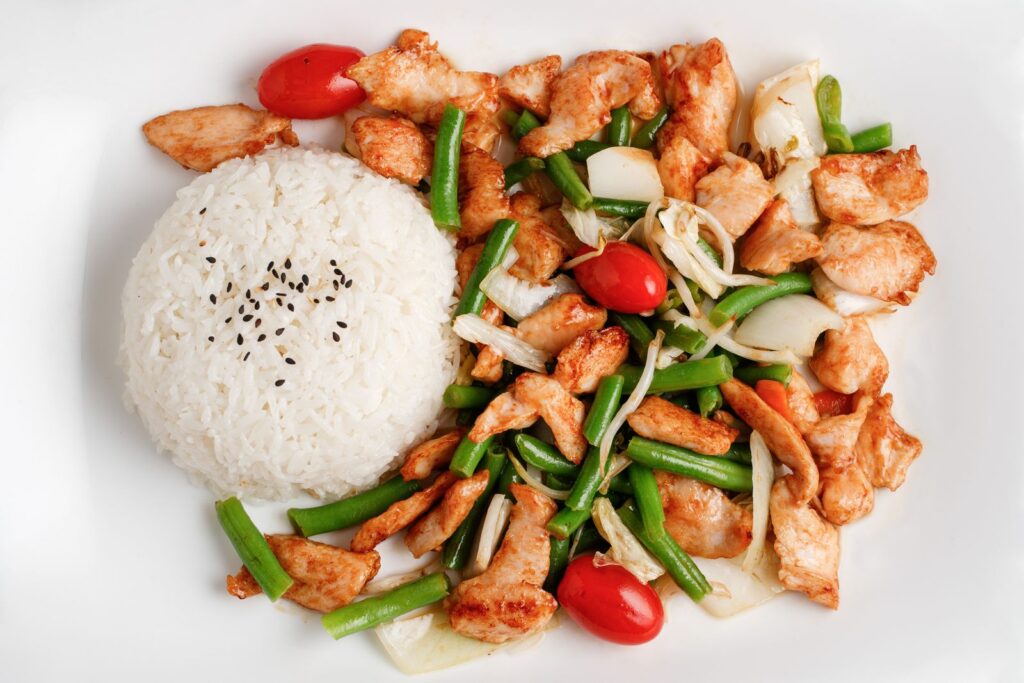
- Carbohydrates such as rice and fruit help refill your energy stores.
- Protein from eggs, chicken, fish, tofu or beans supports muscle repair.
- Salty foods such as soups and broths help replace sodium lost in sweat.
- Water-rich fruit such as watermelon and pineapple adds fluid as well as energy.
Try to eat something within a couple of hours of training, and do not skip meals to save time between sessions.
If your appetite drops in the heat, smaller and more frequent meals are easier to manage. A fruit shake, a bowl of rice soup or some grilled chicken with sticky rice can all be eaten quickly between sessions. Be careful with very spicy food on heavy training days if it upsets your stomach, and keep up good food hygiene, as a stomach bug can wipe out several days of training.
Why rest days matter
It is tempting to train every day when you are on a training holiday. But muscles, joints and your nervous system all need time to recover. Without rest, you are more likely to pick up niggles, feel exhausted and lose motivation.
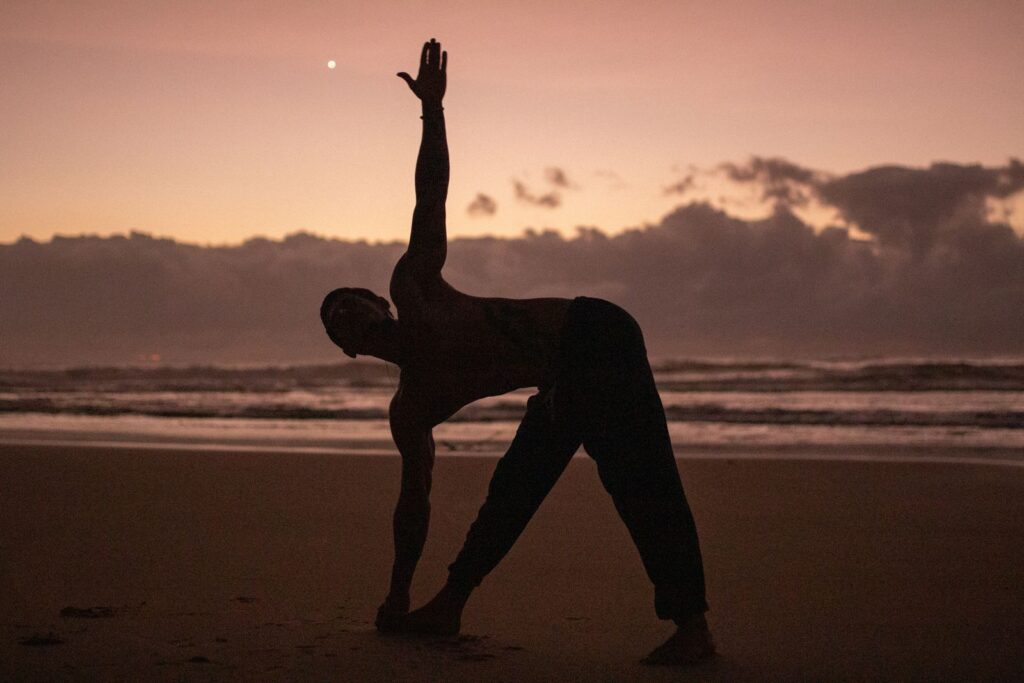
Plan at least one full rest day a week, and listen to your body. A rest day on Koh Lanta could be a gentle swim, a walk around Lanta Old Town or simply an afternoon in a hammock. During your first few days, train at a lower intensity while your body adjusts to the heat.
Can an IV drip help Muay Thai recovery?
For most people, food, water, electrolytes, sleep and rest are all you need. Some people who are training hard in the heat like an occasional IV drip as a way to rehydrate and top up nutrients while resting.
Our Dive & Active Recovery drip contains amino acids, magnesium, B complex vitamins and fluids. A registered nurse comes to your accommodation, runs a health check first and stays with you for around 45 to 60 minutes. It supports recovery alongside good habits; it does not replace them. You can find out more about the visit on our how it works page.
An important note for competitive athletes
If you compete in a sport that follows anti-doping rules, be careful. The World Anti-Doping Agency’s rules restrict IV infusions above a small volume unless they are given during hospital treatment or covered by an approved exemption, even when the drip contains nothing banned. Check with your federation or anti-doping organisation before having any IV infusion.
IV drip on Koh Lanta
Dive & Active Recovery IV drip
Recover between dive days, training sessions and big adventures. A registered nurse comes to your villa, hotel or bungalow anywhere on Koh Lanta.
Warning signs to take seriously
Feeling tired and sore after training is normal. Some symptoms are not, and they need medical attention rather than more rest or a drip.
When to get medical help
When to get medical help. Stop training and get help for signs of heatstroke, such as confusion, collapse or very hot skin, and for chest pain, fainting, severe headache or vomiting after a blow to the head. Very dark or cola-coloured urine with severe muscle pain also needs urgent assessment. Call 1669 for an ambulance or go straight to hospital. Koh Lanta Hospital is near Lanta Old Town, and larger hospitals are in Krabi Town.
Muay Thai training recovery in Thailand: your routine
Arrive hydrated, sip during sessions, replace salts afterwards, eat well, sleep well and take proper rest days. Build up gradually in your first week and listen to your body. Those simple habits will do more for your training than anything else.
If you would like to talk about a recovery drip during a heavy training block, message us on WhatsApp.
Frequently asked questions
How do I recover faster from Muay Thai training in Thailand?
Focus on fluids and electrolytes, regular meals with carbohydrates and protein, good sleep and at least one full rest day a week.
Can professional fighters have an IV drip?
Anti-doping rules restrict IV infusions above a small volume outside hospital treatment. Competitive athletes should check with their federation or anti-doping organisation first.
How should I adjust to training in the heat?
Train at a lower intensity for the first few days, drink steadily through the day and use electrolytes after sweaty sessions.
Is it normal to cramp when training in Thailand?
Cramps can happen with heavy sweating and fatigue. Replace fluids and salts, rest and stretch, and seek advice if they are severe or frequent.