
Key takeaways
- For most mild dehydration, drinking water with electrolytes is enough and costs very little.
- An IV drip delivers fluids straight into a vein, so it can help when you cannot keep drinks down or feel too drained to catch up.
- A drip is a wellness top-up, not a replacement for a doctor when you have red-flag symptoms.
- A nurse health check first decides whether a drip is suitable for you at all.
If you have spent a long, hot day on Koh Lanta and feel flat, you may be wondering about IV drip vs drinking water. Is a drip genuinely better, or is a big bottle of water just as good? The honest answer is that it depends on how you feel, why you are dehydrated and whether your stomach is cooperating.
This guide sets out the differences plainly, so you can choose the simplest option that works for you. Very often, that will be the glass in your hand.
How does your body rehydrate from drinking?
When you drink, fluid passes through your stomach and is absorbed mainly in your small intestine. From there it moves into your bloodstream and on to your cells. It is a gentle, effective system that works well for most people most of the time.
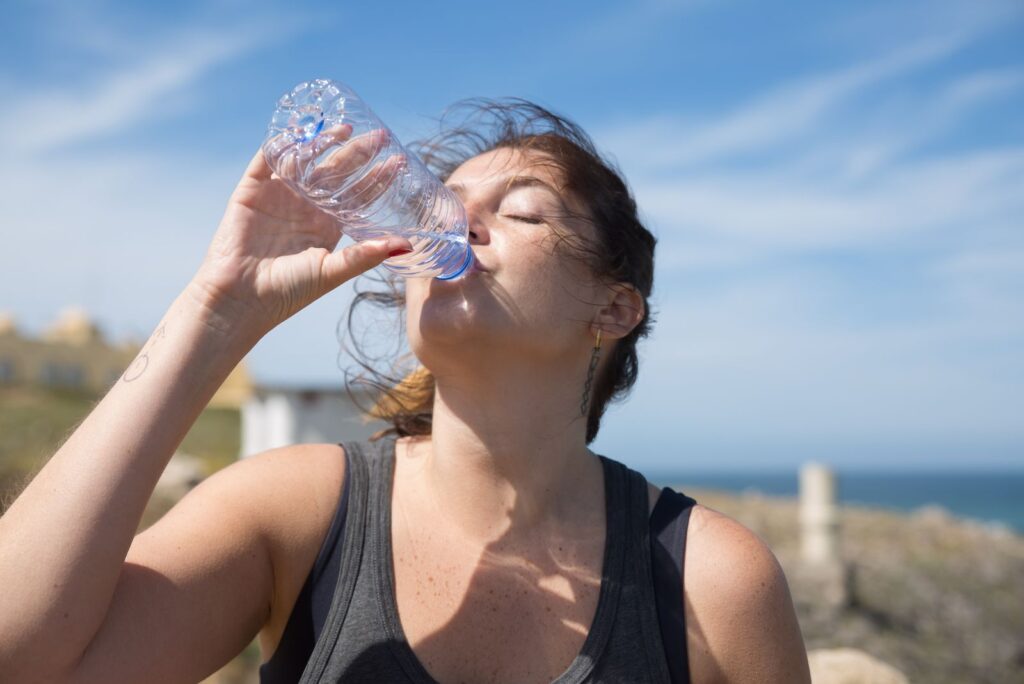
Plain water replaces fluid, but when you sweat heavily you also lose salts such as sodium and potassium. That is why oral rehydration salts, sold at pharmacies in Saladan and along the main west-coast road, are so useful. A small amount of salt and sugar helps your gut absorb water more efficiently than water alone.
The main limits of drinking are speed and comfort. If you feel sick, gulping a litre is unpleasant, and if you are vomiting, very little stays down long enough to be absorbed.
What does an IV drip actually do differently?
An IV drip delivers fluid directly into a vein through a small cannula, usually in your arm or hand. Because it skips the stomach, the fluid enters your circulation straight away. A typical drip takes around 45 to 60 minutes while you rest.
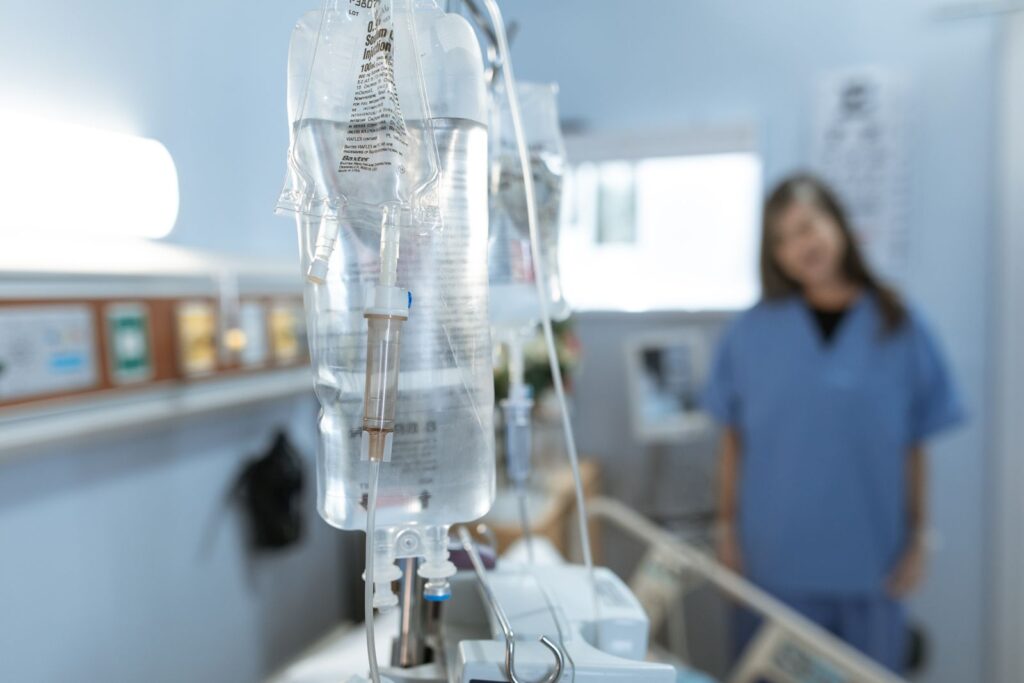
Our Hydration Boost drip contains one litre of electrolyte fluids with B complex vitamins and magnesium. The fluid is the main event; the vitamins are a top-up rather than a magic ingredient.
What a drip does not do is anything mysterious. It does not flush out toxins, it does not burn fat and it does not make you immune to the heat. It is simply another route for getting fluid and some nutrients into your body.
When is drinking water enough?
In most everyday holiday situations, drinking is all you need. That includes:
- Feeling thirsty or a little tired after a beach day.
- Darker yellow urine that clears up once you drink more.
- A mild headache after too much sun, which eases with water, shade and rest.
- A light hangover where you can still eat and drink comfortably.
- Sweating through a hike, a scooter trip or a yoga session.
In these cases, sip steadily rather than downing everything at once. Add an oral rehydration sachet or a salty snack, and give yourself a few hours in the shade. Coconut water is pleasant too, though it is lower in sodium than proper rehydration salts.
Koh Lanta tip: On Koh Lanta, keep a sachet or two of oral rehydration salts in your day bag. They weigh almost nothing, and a cool bottle of water from any shop along the west-coast road becomes a proper rehydration drink in seconds.
When might an IV drip make more sense?
There are times when drinking is genuinely difficult, and that is where a drip can help. Many guests consider one when:

- Nausea makes it hard to keep fluids down, after a heavy night or a mild stomach upset.
- You feel washed out after several hot days and cannot seem to catch up by drinking.
- You have a short trip and want to rest comfortably at your villa rather than nursing a bottle all afternoon.
- You are recovering from a big day of activity and prefer a calm, supervised top-up.
Even then, a drip is a choice, not a necessity. If you can drink and you are improving, carry on drinking. A drip is a convenience and a comfort for the right person, not a shortcut everyone needs.
IV drip vs drinking water: a side-by-side look
Speed
Drinking works over hours. A drip delivers its fluid during the session itself. Many guests say they feel more comfortable once the drip has finished, though everyone responds differently.
Comfort
Drinking is effortless when you feel well and hard work when you feel sick. A drip involves a small needle, which some people dislike, but you can lie down the whole time.
Cost and convenience
Water and rehydration salts are inexpensive and available everywhere. A drip costs more and needs a booking, a health check and an hour of your time.
Safety
Drinking is about as low-risk as it gets. A drip is generally safe when given by a registered nurse with sterile, single-use equipment, but it still carries small risks such as bruising, discomfort at the site or, rarely, infection. That is why screening matters.
Who should not have an IV drip?
A drip is not suitable for everyone. Our nurse runs a health check first and may advise against one if you have heart or kidney problems, are pregnant, take certain medicines or have other conditions that affect how your body handles fluid. If in doubt, ask before you book. You can read more about the process on our how it works page.

When to get medical help
When to get medical help. Do not wait for a drip if you or someone with you has confusion, fainting, chest pain, severe or bloody diarrhoea, a high fever, a very fast heartbeat, no urine for many hours or cannot keep any fluids down for a long period. Call 1669 for an ambulance or go straight to hospital. Koh Lanta Hospital is near Lanta Old Town on the east coast, and larger hospitals are in Krabi Town.
How can a Hydration Boost drip help?
For the right person, a Hydration Boost drip can help you rehydrate while you rest in your own room. A registered nurse comes to your villa, hotel or bungalow, checks your health and history, and only goes ahead if it is suitable. The drip then runs for around 45 to 60 minutes.
It supports your fluid and electrolyte balance alongside, not instead of, sensible drinking, food and shade. Most guests carry on sipping water afterwards and take it easy for the rest of the day.
IV drip on Koh Lanta
Hydration Boost IV drip
Fast rehydration for hot days, long excursions and upset stomachs. A registered nurse comes to your villa, hotel or bungalow anywhere on Koh Lanta.
Simple ways to stay hydrated without either
The best plan is to avoid needing much catching up at all. A few habits go a long way in the tropical heat:
- Start the day with a large glass of water before coffee.
- Carry water on every outing, especially scooter rides and island trips.
- Plan beach time for the morning and late afternoon, and rest in the shade around midday.
- Alternate alcoholic drinks with water at sunset bars.
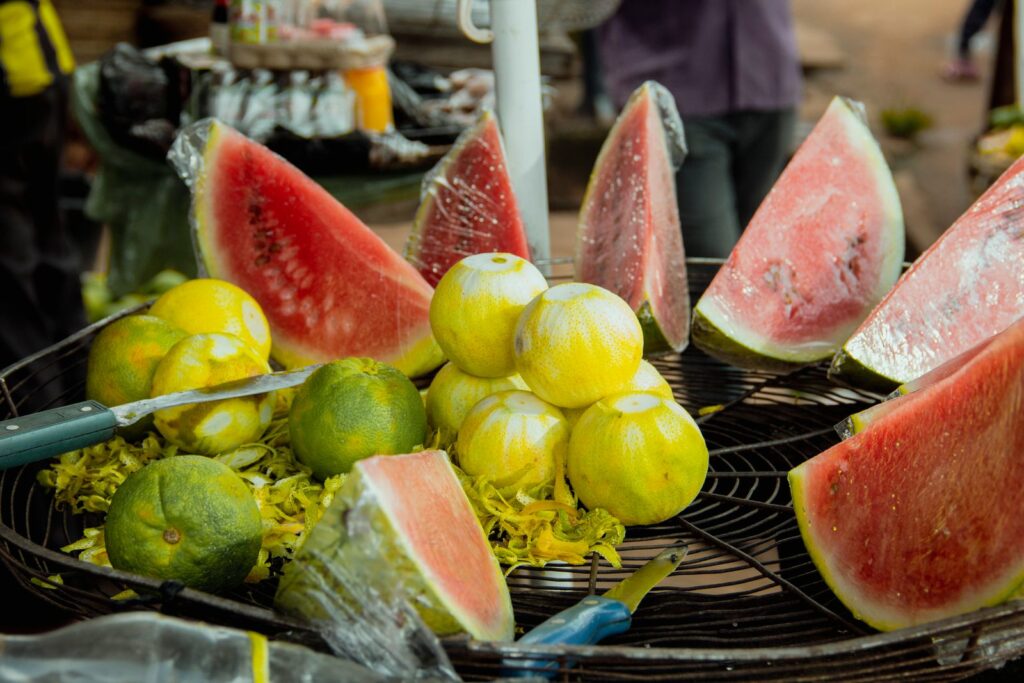
- Eat salty, water-rich foods such as soups, fruit and rice dishes.
- Check your urine colour: pale straw is a good sign.
The bottom line on IV drips and water
For most people, most of the time, drinking water with some electrolytes is all you need, and it is the first thing to try. An IV drip is a useful option when nausea or exhaustion makes drinking hard, or when you would simply rather rest while a nurse looks after you.
If you are unsure which suits you, message us on WhatsApp and we will talk it through honestly, including telling you when a drip is not the right choice.
Frequently asked questions
Is an IV drip better than drinking water?
Not usually. For mild dehydration, water with electrolytes works well. A drip can help when you cannot keep fluids down or feel too drained to catch up by drinking.
How much fluid is in a Hydration Boost drip?
It contains one litre of electrolyte fluids with B complex vitamins and magnesium, given over around 45 to 60 minutes after a nurse health check.
Can I just drink electrolytes instead?
Yes. Oral rehydration salts from local pharmacies are an excellent first step and are often all you need.
Should I still drink water after an IV drip?
Yes. Keep sipping water, eat normally and rest in the shade for the rest of the day.