
Key takeaways
- Catching a cold on holiday is common after long flights, busy airports, little sleep and changes in temperature.
- Rest, fluids, warm drinks and simple pharmacy remedies help most colds settle on their own.
- Air conditioning can dry out your throat and nose, so keep water by the bed.
- A fever in Thailand needs a doctor, because it may not be a cold. Avoid ibuprofen and aspirin until dengue has been ruled out.
You have waited months for this trip, and two days in you wake up with a scratchy throat and a blocked nose. Catching a cold on holiday is frustrating but very common, and it is rarely serious. With rest, fluids and a gentler few days, most people are back on the beach within a week.
This guide explains why it happens, what helps, and the important signs that mean you should see a doctor rather than just wait.
Why catching a cold on holiday is so common
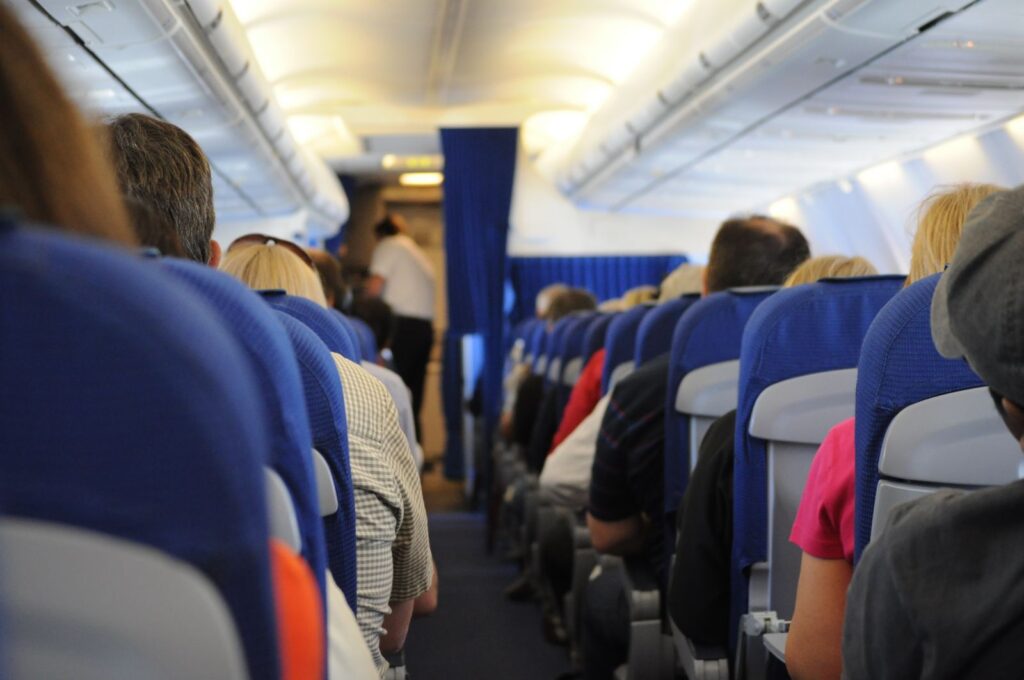
Colds are caused by viruses, and travel puts you in the path of a lot of people. Shared armrests, tray tables, handrails and door handles all pass germs from hand to face. Airports, planes, ferries and minibuses all mean close contact with people from all over the world.
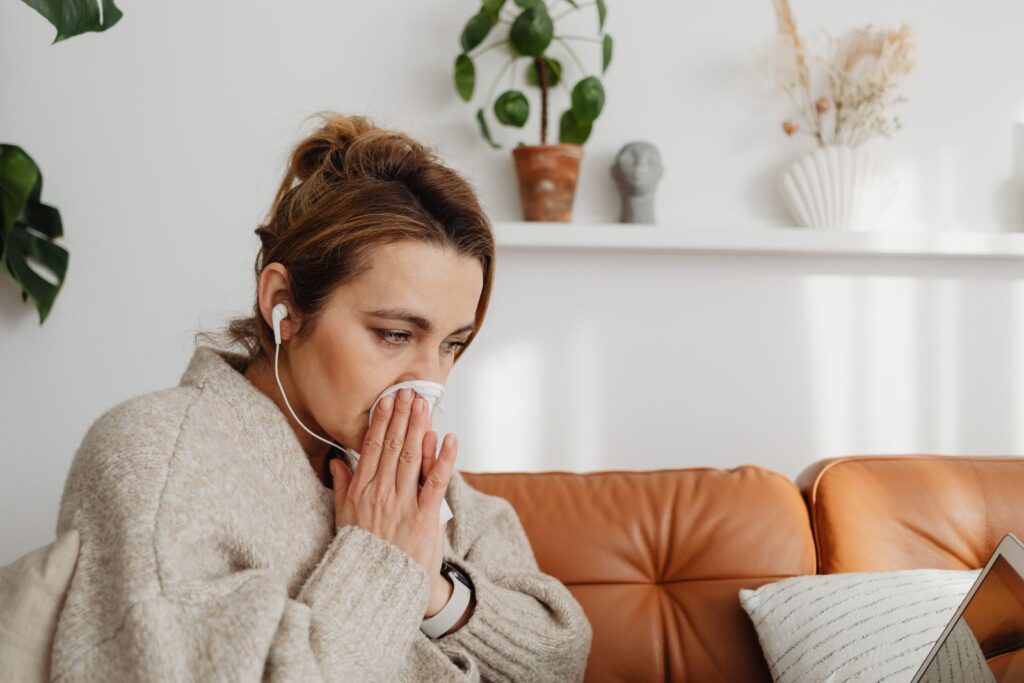
Add the things that leave you feeling run down: a short night before an early flight, long hours awake, the stress of packing, and perhaps a few celebratory drinks on arrival. None of this means you will definitely get ill, but it can make you feel less able to shrug a cold off. Sudden changes, from a chilly plane to tropical heat and back into cold, air-conditioned rooms, can also leave your nose and throat feeling out of sorts.
Cold after a long flight: is it the plane or jet lag?
Cabin air is very dry, which can leave your nose and throat feeling sore and irritated. Many people blame the plane for a cold that arrives a day or two later, although the virus is just as likely to have come from the airport or a fellow passenger.
Jet lag can feel like a cold, too: heavy head, aching body, poor sleep. If you have no sore throat, runny nose or cough, it may simply be your body clock catching up. Our jet lag Thailand tips cover your first 48 hours.
Sore throat from air conditioning in Thailand
Going from hot, humid air outside into a cold, air-conditioned room many times a day can leave your throat dry and scratchy, especially overnight. It is not the cold air itself that causes a cold, but dry airways can feel sore and uncomfortable.

- Set the air conditioning a little warmer at night, or use a timer so it switches off after you fall asleep.
- Keep a glass of water by the bed and sip when you wake.
- Avoid sleeping with the air blowing straight at your face.
- Warm drinks and steam from a hot shower can soothe a dry throat.
Feeling run down on holiday: self-care that works
There is no quick fix for a cold, but you can make yourself more comfortable while your body deals with it.
- Rest. Swap the boat trip for a lazy day in the shade. Sleep is when your body does its best work.
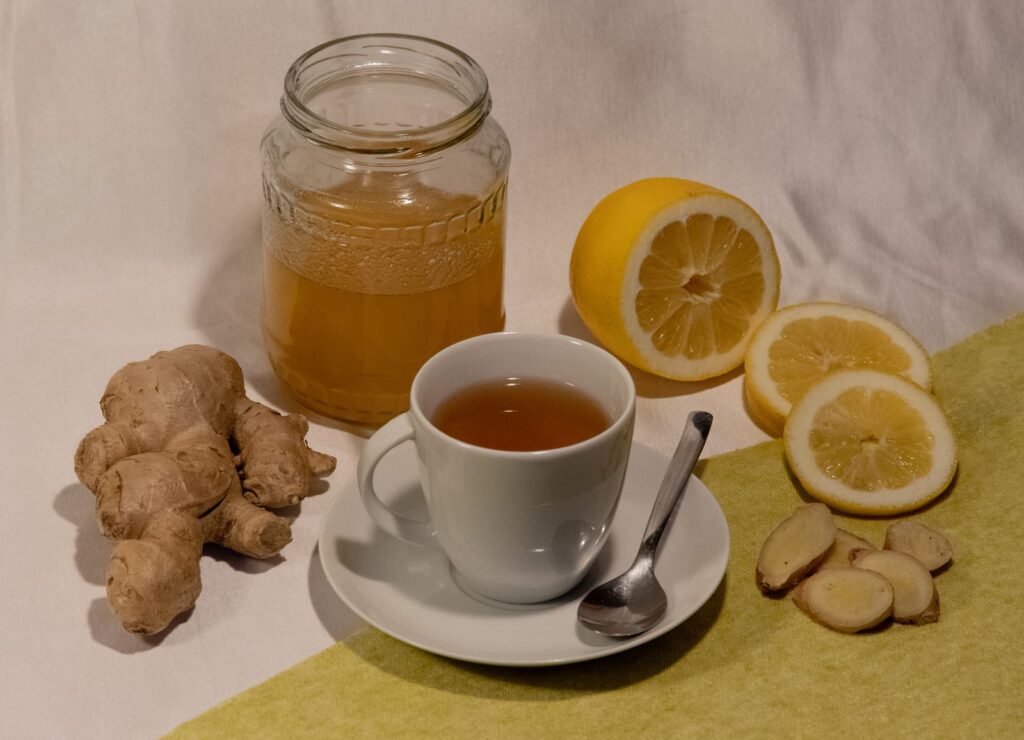
- Drink plenty. Water, warm drinks and oral rehydration salts on hot days help, especially if you have a fever or are sweating.
- Eat simple, warm food. A bowl of rice soup or noodle soup is soothing and easy to find.
- Skip the alcohol for a few days. It dries you out and disturbs your sleep.
- Wash your hands often and cough into a tissue or your elbow, so you do not pass it on to your travel companions.
Pharmacies in Saladan and along the main west-coast road sell common cold remedies, such as throat lozenges, saline nasal sprays and simple painkillers. Tell the pharmacist your symptoms, any medicines you already take and any health conditions, and follow the dose on the packet.
Koh Lanta tip: Do not dive with a cold. A blocked nose makes it hard to equalise your ears and sinuses, which can lead to painful injuries. Talk to your dive centre about rescheduling until you are fully clear.
Can an IV drip help when you have a cold?
A drip will not make a cold go away, and it does not stop you catching one. What it can do is help if you feel drained, are not drinking or eating much, and want some support while you rest.
Our Immunity Boost drip contains fluids with high-dose vitamin C, zinc and vitamin B complex. A registered nurse comes to your accommodation, does a health check first and gives the drip over roughly 45 to 60 minutes. Some guests like it as a top-up when they feel run down, but the evidence that vitamin drips shorten a cold is limited, and rest and fluids remain the foundation. If you have a fever, the nurse may advise you to see a doctor first.
IV drip on Koh Lanta
Immunity Boost IV drip
A high-dose vitamin C and zinc top-up for when you feel run-down. A registered nurse comes to your villa, hotel or bungalow anywhere on Koh Lanta.
When to get medical help
In Thailand, a fever should always be checked by a doctor, because it can be a sign of dengue or another infection rather than a cold. Until dengue has been ruled out, avoid ibuprofen and aspirin, as they can increase the risk of bleeding; use paracetamol as directed on the packet instead. Call 1669 for an ambulance or go to hospital straight away for difficulty breathing, chest pain, confusion, a severe headache with a stiff neck, unusual bleeding or bruising, persistent vomiting, or severe stomach pain. Koh Lanta Hospital is near Lanta Old Town, and larger hospitals are in Krabi Town.
If you are unsure whether your symptoms are a cold or something more, our guide to feeling sick on Koh Lanta explains where to go for help on the island.
Getting back to your holiday after a cold
Catching a cold on holiday is annoying, but it usually passes within a week, although a cough can linger a little longer. Be kind to yourself and keep the first couple of days as rest days rather than trying to keep up with your original plans. Rest, drink plenty, look after your throat in the air conditioning, use the pharmacy for simple remedies, and see a doctor for any fever. If you would like to ask whether a drip is suitable while you recover, message us on WhatsApp.

Frequently asked questions
Why do I get a cold after a long flight?
You are in close contact with many people at airports and on the plane, and dry cabin air can irritate your nose and throat. Tiredness from travel can also leave you feeling run down.
Can air conditioning give you a sore throat in Thailand?
Air conditioning dries the air, which can leave your throat scratchy, especially overnight. Set it a little warmer and keep water by the bed.
Should I see a doctor for a cold in Thailand?
A simple cold usually settles with rest and fluids, but any fever should be checked by a doctor because dengue and other infections are possible.
Can I go diving with a cold?
No. A blocked nose makes it hard to equalise, so wait until you are fully clear before diving.