Key takeaways
- The journey home starts long before the plane, with a transfer, ferry and airport wait.
- Arriving at the airport well hydrated, rested and fed makes the flight easier.
- On board, drink water, move around and go easy on alcohol.
- An IV drip before a long flight is an option, not a necessity, and the basics matter more.
Your last day on Koh Lanta can be a strange mix: one more swim, packing, a farewell dinner and the thought of a very long journey ahead. Some guests ask about an IV drip before a long flight home, to start the trip feeling fresher. It can be a nice option, but it is not essential, and what you do in the last 24 hours matters far more.

Here is how to plan the return journey, stay hydrated, look after yourself in the air, and decide whether a drip fits your plans.
Why the journey home is harder than it looks
Leaving Koh Lanta usually means several steps: a road transfer or ferry to the mainland, a drive to Krabi airport, check-in and security, and often a connecting flight. Add the heat, early starts and the queues, and you can be tired and dry before you even board.

Holiday habits play a part too, and so does the simple fact that you are sad to leave. A final night out, a short sleep and a last afternoon in the sun can leave you starting the journey already short of fluids and energy.
How to prepare for a long-haul flight home
A little planning the day before makes the whole journey smoother, and it means your last day still feels like part of the holiday rather than a scramble.
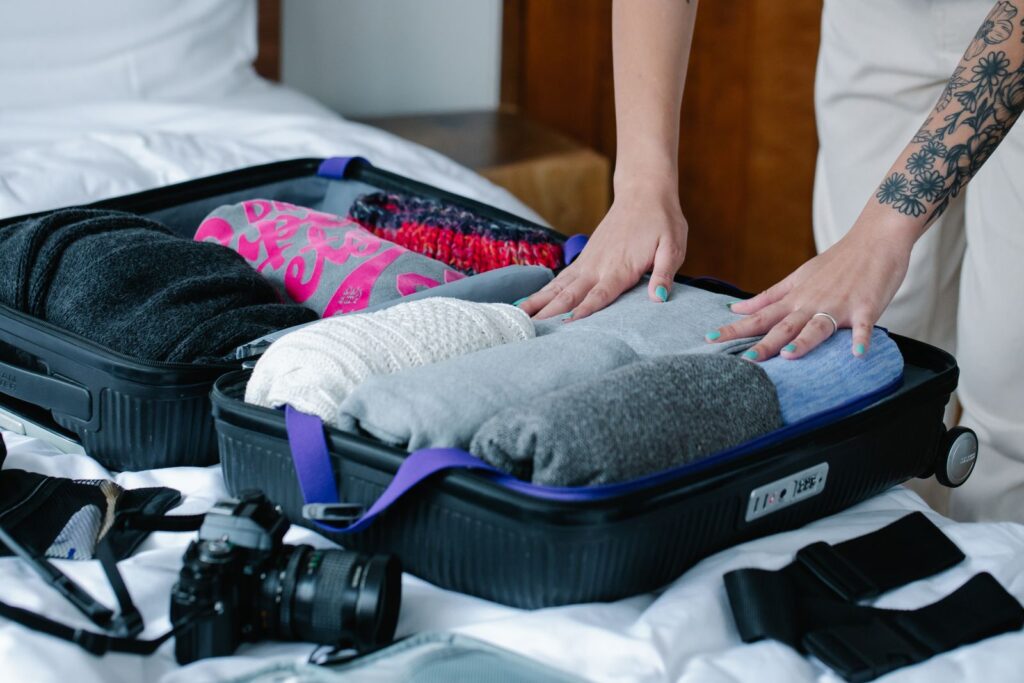
- Pack early. Do it the afternoon before, so your last evening is calm rather than rushed.
- Keep the last night gentle. One or two drinks at sunset rather than a big farewell night will help you sleep and feel better at the airport.
- Go easy on the sun. Sunburn makes a long flight uncomfortable and adds to fluid loss.
- Sleep as much as you can. If your flight leaves at night, a nap in the afternoon helps.
- Allow plenty of time. Check your ferry or transfer time and build in a buffer, especially in the monsoon season when sea conditions can change.
Koh Lanta tip: Keep a bottle of water, an oral rehydration salts sachet and a light snack in your hand luggage for the transfer to Krabi. The road and ferry legs can take longer than you expect, and shops are not always on the way.
Hydration before flying: what actually helps
Cabin air is dry, and on a long flight you lose fluid steadily through breathing and your skin without noticing. Starting well hydrated gives you a head start.

- Drink water regularly the day before and the morning of departure, rather than gulping a litre just before you leave.
- On a hot travel day, an ORS sachet mixed as the packet says can help replace the salts you lose in sweat.
- Eat a proper meal before the airport so you are not relying on snacks.
- Coffee is fine in moderation, but balance it with water.
- Notice your urine: pale yellow is a good sign, while dark yellow means you need to drink more.
On the plane: long-haul tips
- Drink water throughout the flight. Fill a bottle after security or ask the cabin crew.
- Limit alcohol. It dehydrates you and disturbs sleep, which makes jet lag at home worse.
- Move around. Walk the aisle when it is safe, and flex your ankles and calves while seated.
- Wear loose, comfortable clothes and shoes you can slip on and off.
- Think about sleep. An eye mask and earplugs help, and try to sleep according to the time at your destination.
Sitting still for many hours raises the risk of a blood clot in the leg, known as deep vein thrombosis (DVT). If you have had a clot before, have had recent surgery, are pregnant or have other risk factors, speak to your doctor before travelling about extra measures, such as compression stockings.
Is an IV drip before a long flight worth it?
For many people, the honest answer is that good habits are enough. But if you feel drained after a busy holiday, have had a few late nights, or simply want to start a long journey feeling more refreshed, a drip is one option.
Our Energy & Jet Lag drip contains vitamin B12, vitamin B complex, magnesium and fluids, with no caffeine. A registered nurse comes to your villa, hotel or bungalow, does a health check first and gives the drip over roughly 45 to 60 minutes. Guests usually book it the day before departure or on the morning they leave, leaving plenty of time before the transfer. Many say they feel better for it, but it will not stop jet lag, and it is not a substitute for drinking water on the flight.
IV drip on Koh Lanta
Energy & Jet Lag IV drip
Shake off the journey and start your holiday with energy. A registered nurse comes to your villa, hotel or bungalow anywhere on Koh Lanta.
If you are flying home soon after a recent drip, or have a health condition, tell the nurse during the health check. Once you land, our jet lag Thailand guide has tips on resetting your body clock that work just as well in reverse.
When to get medical help
Seek medical help if you notice pain, swelling, warmth or redness in one leg, usually the calf, during or after a long journey, as these can be signs of DVT. Call 1669 for an ambulance or go to hospital straight away for sudden breathlessness, chest pain or coughing up blood, which can mean a clot has moved to the lungs. If this happens after you are home, call your local emergency number. Do not fly if you are unwell with a high fever or symptoms you have not had checked.
Your last-day plan for leaving Koh Lanta
Pack early, keep your last night gentle, drink water steadily, and allow plenty of time for the ferry or transfer to Krabi airport. On board, keep sipping, move around and go easy on the wine. An IV drip before a long flight can be a pleasant extra if you feel run down, but it is your choice, not a must. To ask about timing around your departure, message us on WhatsApp.
Frequently asked questions
How do I prepare for a long-haul flight home from Thailand?
Pack the day before, sleep well, drink water steadily, eat a proper meal before the airport, and allow plenty of time for the ferry or transfer.
When should I have an IV drip before flying?
Guests usually book the day before departure or the morning they leave, with plenty of time before their transfer. The nurse will check it is suitable for you.
How much water should I drink before flying?
There is no single amount for everyone. Drink regularly the day before and the morning of travel, and keep sipping during the flight.
What are the signs of DVT after a flight?
Pain, swelling, warmth or redness in one leg, usually the calf. Sudden breathlessness or chest pain is an emergency, so call for help straight away.