
Key takeaways
- IV vitamins go straight into the blood, while tablets are absorbed through the gut, which takes up some nutrients less completely.
- For most healthy people with a balanced diet, food or tablets are enough.
- Your body passes out extra water-soluble vitamins in urine, so more is not always better.
- A drip makes the most sense when you are also dehydrated or cannot keep food and drink down.
If you have looked at a drip menu, you may have wondered whether it is worth it when a pack of vitamin tablets costs so little. The question of IV vitamins vs oral vitamins is a fair one, and we would rather give you an honest answer than a sales pitch.

The short version: for most healthy people, tablets or a good diet are enough. A drip has its place, mainly when you also need fluids. Here is why.
How IV vitamins vs oral vitamins reach your body
When you swallow a vitamin tablet, it goes through your stomach and into your gut, where it is absorbed into the blood. That process works well for most nutrients, but the gut does not absorb everything. Some nutrients are taken up less completely, and how much you absorb can depend on what else you have eaten, your gut health and the dose.

An IV drip skips the gut altogether. The nutrients are mixed into fluid that runs through a thin tube into a vein, so they go straight into the blood. That is the main difference, and it is real. Whether it matters for you is another question.
Are IV vitamins better than pills?
Not in a simple, always-true way. Higher levels in the blood do not automatically mean you feel better or are healthier. Your body uses what it needs and deals with the rest.
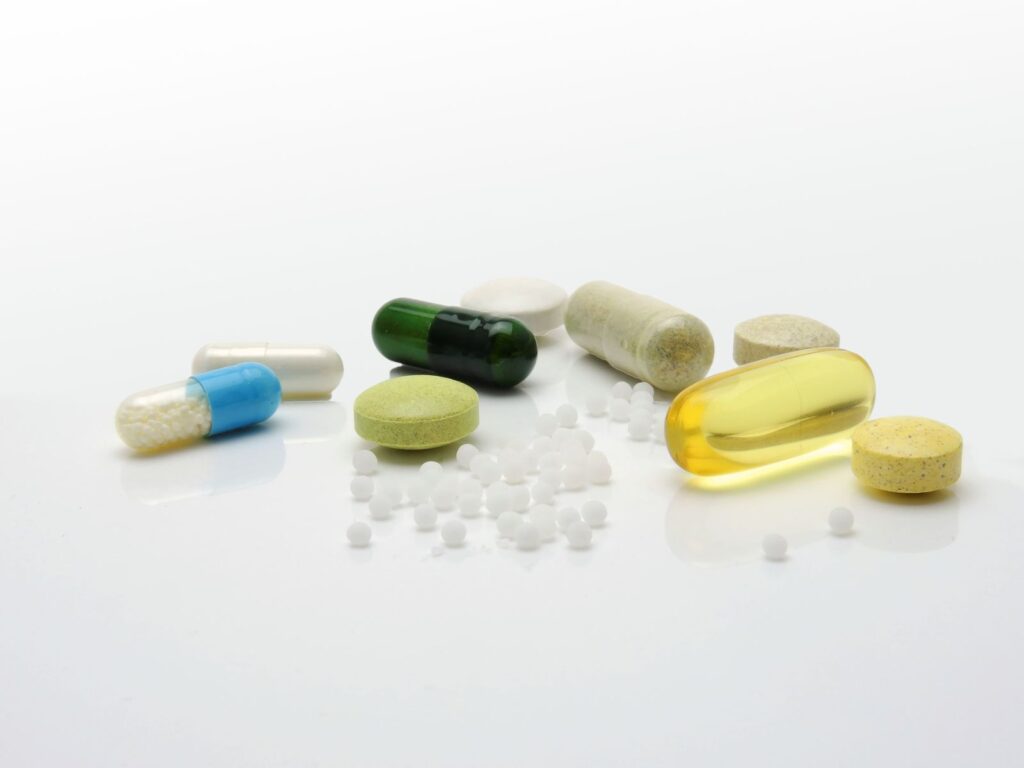
Many vitamins, including vitamin C and the B vitamins, are water-soluble. When you have more than your body needs, your kidneys pass the extra out in urine. So a large dose, whether from a tablet or a drip, does not stay in your body for long once your needs are met.
Other vitamins, such as A, D, E and K, are fat-soluble. They are stored in the body and can build up if you take too much over time, which is one reason not to take high-dose supplements without advice.
When food and tablets are enough
For most healthy adults who eat a varied diet, food provides the vitamins they need. Thailand is a good place for this, with fresh fruit, vegetables, fish and herbs easy to find. A tablet can be a useful backup if your diet is limited for a while, such as on a long trip. Taking it with a meal usually helps, and it is worth following the dose on the pack rather than doubling up.

- You are well, eating normally and drinking enough water.
- You want a general top-up while travelling.
- You have been advised by a doctor to take a particular supplement.
- You simply want to keep things simple and inexpensive.
In all of these cases, food or a tablet is a sensible, low-cost choice. A drip will not give you a meaningful extra benefit just because it goes into a vein.
When an IV drip makes more sense
The honest case for a drip is less about the vitamins and more about the fluid. A drip gives you fluids directly, which can help you rehydrate when drinking is hard. The vitamins come along with it.

- You are dehydrated as well as run down, for example after a long day in the heat.
- You cannot keep things down, such as on a rough morning after or after a mild stomach upset that has settled. Tablets are no use if you cannot swallow or hold them down.
- You feel too queasy to face food or tablets, but are otherwise well.
To see exactly what goes into each drip, from saline to vitamin B complex and magnesium, read what is in an IV drip. You can compare the full menu on our IV drips page.
Koh Lanta tip: On Koh Lanta, pharmacies are common in Saladan and along the main west-coast road. Many stock basic vitamin tablets and oral rehydration salts, which are often all you need for a minor top-up.
Vitamin drip vs supplements: other things to weigh up
There are a few more practical differences worth knowing before you choose.
- Cost and convenience. Tablets are cheap and take seconds. A drip needs a nurse visit and about 45 to 60 minutes.
- A health check. Every drip visit starts with a health check by a registered nurse, which a shop-bought tablet does not include.
- Suitability. A drip is not right for everyone. People with certain heart or kidney conditions, or who are pregnant, may be advised against it.
- Speed. A drip gives fluids quickly, which matters most when you are dehydrated.
You can read how a visit works, step by step, on our how it works page.
What about vitamin deficiencies?
A true vitamin deficiency is a medical issue, not a wellness one. If you think you may be low in a particular vitamin, perhaps because of ongoing tiredness, numbness or tingling, or a restricted diet, see a doctor. They can arrange a blood test and recommend the right treatment for you.

A wellness drip is not a way to diagnose or manage a deficiency. It is a short-term top-up of fluids and vitamins for people who are otherwise well.
When to get medical help
A drip is not the answer if you are seriously unwell. Call 1669 (Thailand’s emergency ambulance number) or go to hospital for severe dehydration, confusion, fainting, chest pain, difficulty breathing or vomiting that will not stop. Koh Lanta Hospital is near Lanta Old Town.
Our honest verdict on IV and oral vitamins
If you are well and eating normally, save your money: food and, if needed, a tablet will do the job. If you are dehydrated, feeling rough and struggling to drink or keep things down, a drip can help you rehydrate and top up vitamins at the same time. If you are not sure which applies to you, message us on WhatsApp and we will tell you honestly whether a drip is worth it.
Frequently asked questions
Are IV vitamins better than pills?
Not always. IV vitamins skip the gut and go straight into the blood, but most healthy people get what they need from food or tablets, and extra water-soluble vitamins pass out in urine.
Is a vitamin drip vs supplements worth the extra cost?
Usually only if you also need fluids, for example when you are dehydrated or cannot keep food and drink down. Otherwise, a balanced diet or a tablet is the better value choice.
Can an IV drip fix a vitamin deficiency?
A deficiency needs a doctor and a blood test to find the cause and the right treatment. A wellness drip is a short-term top-up, not a way to manage a medical deficiency.