
Key takeaways
- A vitamin C drip gives a higher dose of vitamin C straight into the blood, along with fluids.
- The evidence that vitamin C stops you catching colds or shortens them is limited and mixed.
- High-dose IV vitamin C is not suitable for everyone, including people with G6PD deficiency or kidney problems.
- A fever in Thailand needs a doctor, not a drip, because of the risk of dengue.
Long flights, busy airports, new food and late nights can leave you feeling run down at the start of a holiday. That is why many people ask about a vitamin C drip for travellers. It is a popular choice, but it is worth knowing what it can and cannot do before you book.

This guide explains what high-dose IV vitamin C is, what people use it for, what the evidence says and, most importantly, who should not have it.
What is a high dose vitamin C IV?
Vitamin C is a water-soluble vitamin found in fruit and vegetables. Your body needs it for many everyday jobs, including making collagen and helping wounds heal. Most people get enough from a normal diet.
When you take vitamin C as a tablet, the gut can only absorb so much at once, and very large oral doses often upset the stomach. A high-dose IV gives vitamin C straight into a vein, so it reaches higher levels in the blood than a tablet can. Those levels fall again over the following hours as your kidneys pass the extra out in urine.
Why a vitamin C drip appeals to travellers
Travel can leave you feeling depleted: short sleep, dry cabin air, jet lag, heat and sometimes too much celebrating. Some travellers like the idea of a top-up of fluids and vitamins at the start or end of a trip, or when they feel run down.

- After a long flight, when you feel dried out and tired.
- When feeling run down, for example after a busy week or a cold that has passed.
- In the heat, where the fluids can help you rehydrate.
If you are mainly struggling with sleep and body-clock problems after a flight, other drips may suit you better. Our guide to which IV drip to choose can help.
Vitamin C IV benefits: what does the evidence say?
This is where honesty matters. Vitamin C is often linked with colds, but the evidence that taking it stops you catching a cold, or makes a cold much shorter, is limited and mixed. Most of that research looks at tablets, and the evidence for IV vitamin C in healthy travellers is even thinner.

So we do not claim that a vitamin C drip boosts your immunity or stops you getting ill. What it can do is give you fluids and a top-up of vitamin C, and many guests say they feel refreshed afterwards. If you have already caught something, our guide to catching a cold on holiday in Thailand covers the self-care that helps most: rest, fluids and time.
What is in the Immunity Boost drip?
Our Immunity Boost drip combines high-dose vitamin C with zinc, vitamin B complex and fluids. A registered nurse comes to your villa, hotel or bungalow, does a health check first, and the drip usually takes around 45 to 60 minutes.
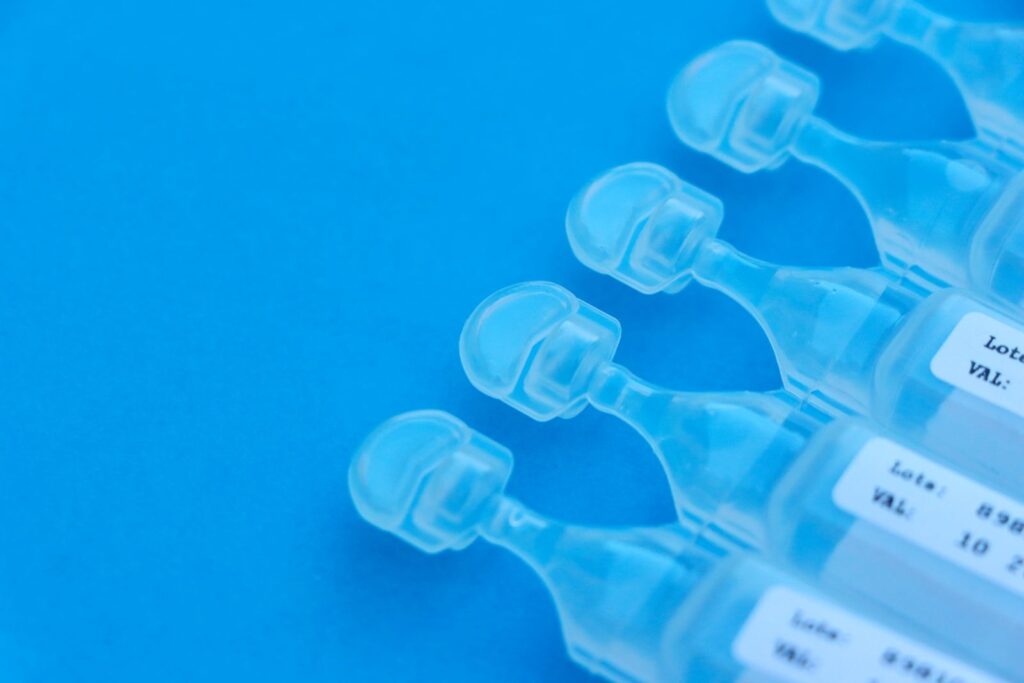
During the health check, the nurse asks about your medical history and medicines and confirms whether high-dose vitamin C is suitable for you. If it is not, they may suggest a different drip without it, or no drip at all.
IV drip on Koh Lanta
Immunity Boost IV drip
A high-dose vitamin C and zinc top-up for when you feel run-down. A registered nurse comes to your villa, hotel or bungalow anywhere on Koh Lanta.
Vitamin C drip side effects and who should avoid it
Most people tolerate a vitamin C drip well. Some notice a cool feeling in the arm, mild tiredness or thirst, or a small bruise where the cannula went in. But high-dose IV vitamin C is not suitable for everyone, and these points matter.

- G6PD deficiency. This is an inherited condition that affects red blood cells. People with it should not have high-dose IV vitamin C, because it can cause red blood cells to break down (haemolysis). Some providers test for it before a first high-dose drip, and your nurse will ask whether you have it or have ever been told so.
- Kidney disease. Your kidneys clear vitamin C from the body, so people with kidney disease should avoid high-dose IV vitamin C.
- Kidney stones. Vitamin C is partly broken down into oxalate, so people with a history of kidney stones, especially oxalate stones, should avoid it.
- Iron overload. Vitamin C increases iron absorption, so people with haemochromatosis or other iron overload conditions need extra caution.
- Pregnancy and medicines. Tell your nurse if you are pregnant or might be, and about any medication you take.
If any of these apply to you, or you are unsure, say so during the health check. It is always fine to skip the drip.
A fever in Thailand needs a doctor first
If you feel unwell with a fever, do not book a wellness drip. Dengue fever is spread by mosquitoes in Thailand and can start like flu, with fever, headache, body aches and pain behind the eyes. It needs a doctor and a blood test.
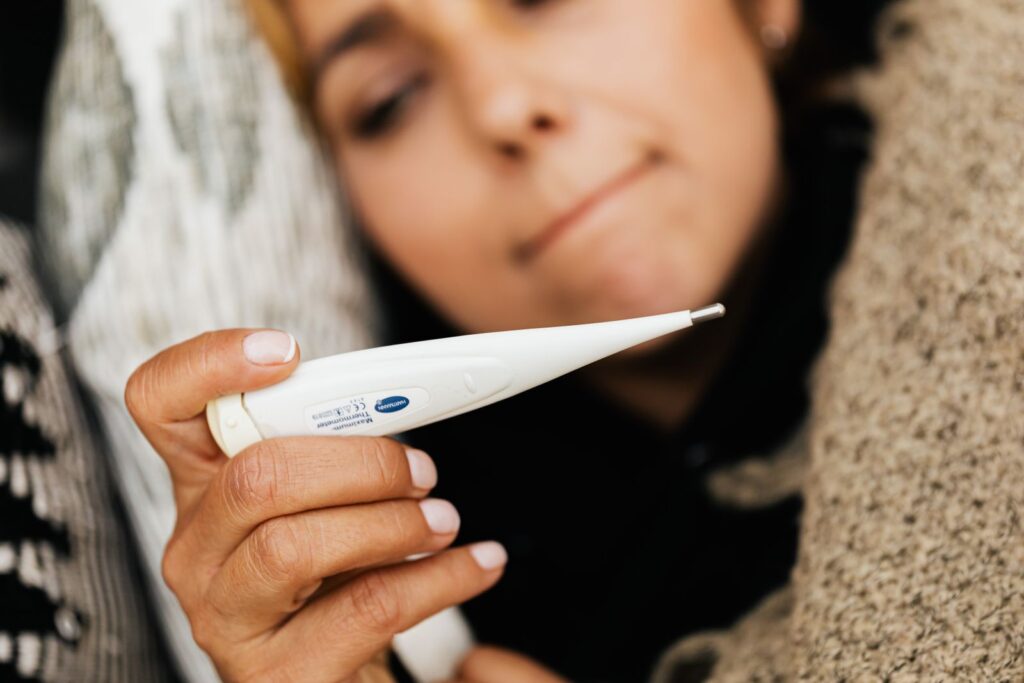
Avoid ibuprofen and aspirin until dengue has been ruled out, because they can increase the risk of bleeding. Paracetamol is the usual choice for fever while you wait to be seen, unless a doctor tells you otherwise.
When to get medical help
See a doctor promptly for any fever in Thailand. Call 1669 (Thailand’s emergency ambulance number) or go to hospital straight away for severe stomach pain, persistent vomiting, bleeding gums or nose, blood in vomit or stools, difficulty breathing, confusion, or feeling faint. After a vitamin C drip, seek urgent help for dark urine, yellowing skin or eyes, or sudden breathlessness. Koh Lanta Hospital is near Lanta Old Town, and larger hospitals are in Krabi Town.
Is a vitamin C drip for travellers worth it?
If you are well, eating fruit and vegetables and drinking enough water, you probably do not need one. If you feel run down and dried out after a long journey or a busy week, and the nurse confirms it is suitable, a vitamin C drip can be a pleasant top-up of fluids and vitamins. Just keep your expectations realistic. If you have questions first, message us on WhatsApp.
Frequently asked questions
What are the main vitamin C IV benefits?
It gives fluids and a higher dose of vitamin C than a tablet can, straight into the blood. Many people feel refreshed afterwards, but the evidence that it stops colds or shortens them is limited and mixed.
What are the common vitamin C drip side effects?
Most people have none or only minor ones, such as a cool arm, mild thirst or a small bruise. It is not suitable for people with G6PD deficiency, kidney disease or a history of kidney stones.
Do I need a G6PD test before a high dose vitamin C IV?
Some providers test for it, and your nurse will always ask whether you have G6PD deficiency. If you have it, or are not sure, high-dose IV vitamin C may not be suitable.
Can I have a vitamin C drip if I have a fever?
No. A fever in Thailand needs a doctor first to rule out dengue and other infections. Avoid ibuprofen and aspirin until dengue has been ruled out.