Key takeaways
- As we get older, we sense thirst less and our bodies cool down less efficiently.
- Some medicines, such as water tablets and some blood pressure and heart medicines, can affect heat tolerance. Never stop or change them; ask your doctor before travelling.
- Plan around the hottest hours, take shade breaks and drink regularly before you feel thirsty.
- Know the signs of heat exhaustion and heatstroke, and call 1669 in an emergency.
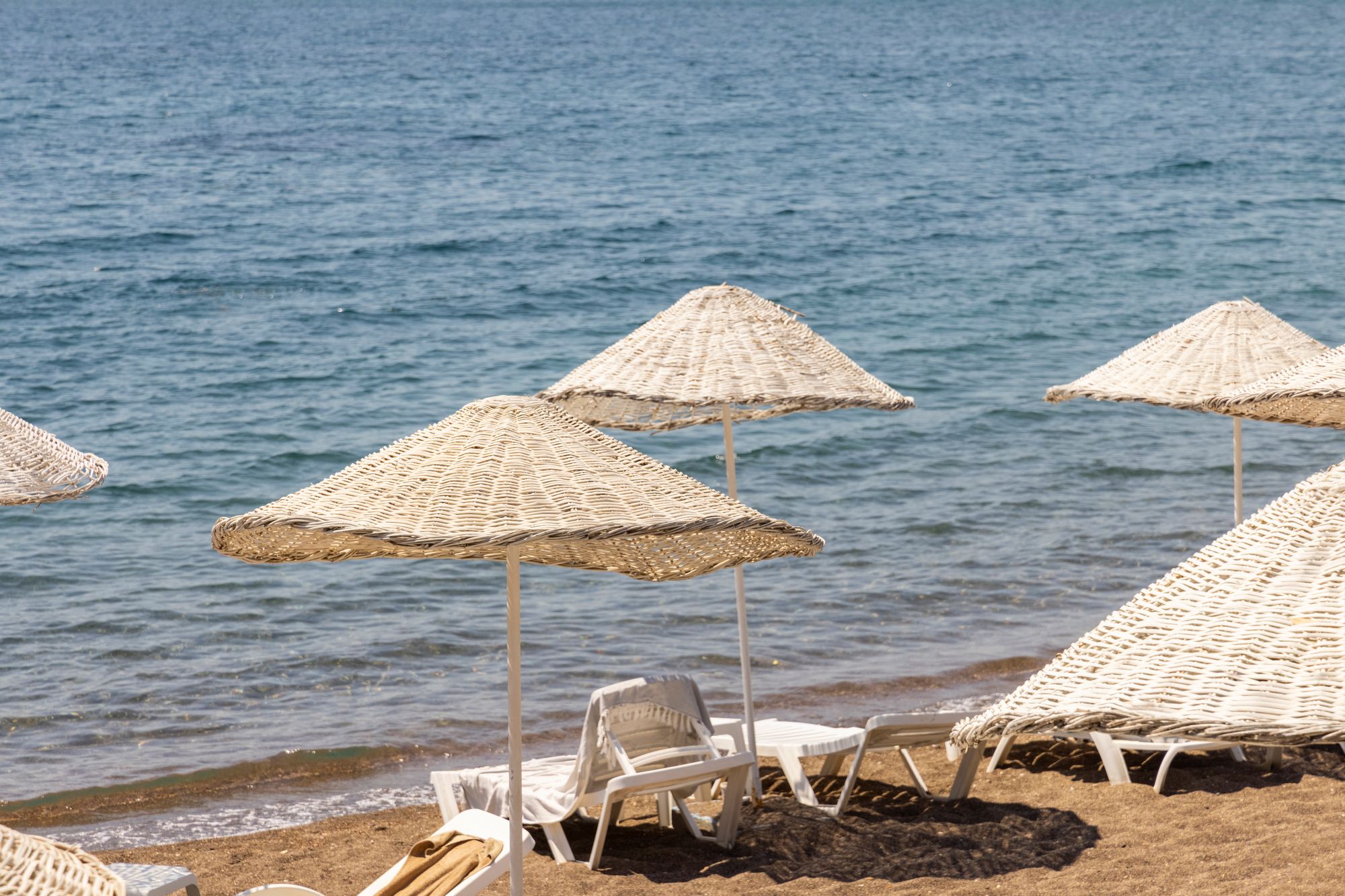
Plenty of people spend the northern winter on Koh Lanta, enjoying calm beaches and warm sea. The heat is part of the appeal, but it can affect you more as you get older. These heat tips for older travellers are practical, simple and designed to help you enjoy the sunshine safely.
None of this replaces advice from your own doctor, who knows your health and medicines. It is best to have that conversation before you travel.
Heat tips for older travellers: why the heat hits harder
Two changes come with age for most people. First, the sense of thirst becomes weaker, so you can be short of fluids without feeling thirsty. Second, the body’s cooling system works less efficiently: you may sweat less, and the heart and blood vessels respond more slowly to heat.
Long-term health conditions such as heart disease, diabetes or kidney problems can add to this. None of it means you cannot enjoy a tropical holiday. It simply means planning a little more carefully than you might have done at thirty.
It also helps to know that heat builds up over several days. The first few days after arrival, before your body has adjusted, and long spells of hot weather are when people are most likely to feel unwell, so take it gently at first.
Heat and blood pressure medication: what to know
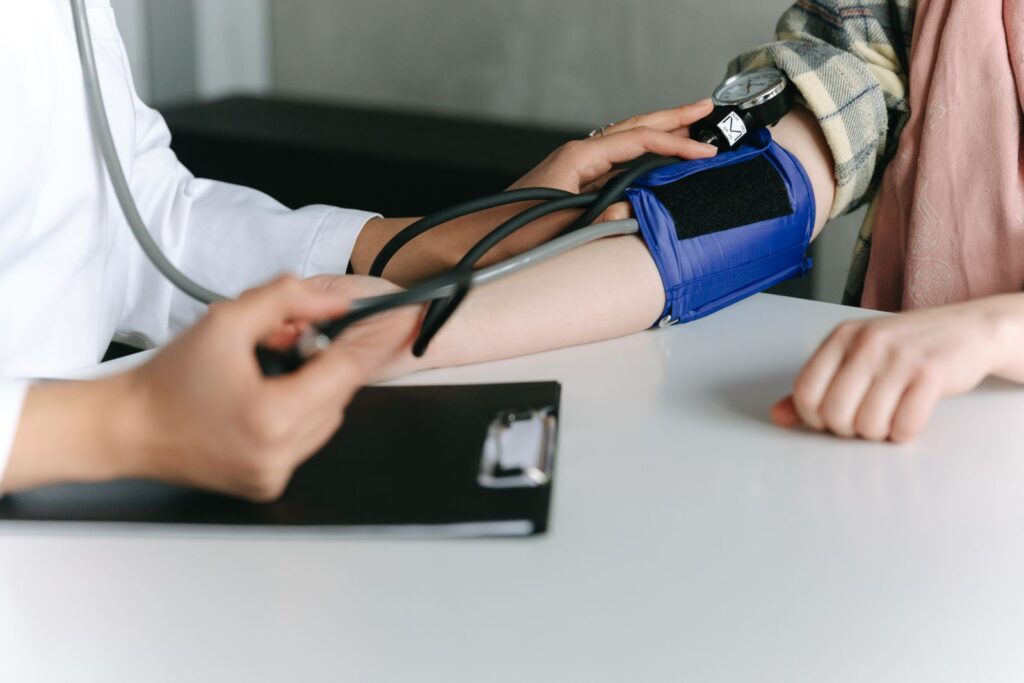
Some medicines change how your body handles heat or fluids. Common examples include:
- Water tablets (diuretics), which make you pass more urine and can make dehydration more likely.
- Some blood pressure medicines, which can make you more likely to feel dizzy or light-headed in the heat, especially when standing up.
- Some heart medicines, which can affect how your heart and circulation respond to warm weather.
Do not stop or change any medicine because of the heat. Ask your doctor or pharmacist before you travel whether any of yours need special care in hot weather, and what to do if you feel dizzy or unwell. If you are on a fluid limit for a heart or kidney condition, ask how that should work in the tropics.
Staying cool over 60 in Thailand: daily habits
- Plan around the hottest hours. Walks, swims and outings work best in the early morning or late afternoon. Keep the middle of the day for shade, a cool room and a rest.
- Drink regularly before you feel thirsty. Keep a bottle with you and sip through the day, rather than waiting for thirst to remind you.
- Take shade breaks. Sit under a tree or umbrella every so often, even on a short beach walk.
- Dress for the heat. Loose, light-coloured cotton, a wide-brimmed hat and sunglasses all help.
- Cool down often. A cool shower, a dip in the sea or a damp cloth on the neck can make a real difference.
- Watch your urine. Pale yellow is a good sign. Dark urine suggests you need more fluids.

On hot or active days, oral rehydration salts can help replace the salt lost in sweat. If you have a heart or kidney condition, check with your doctor before using them regularly. Alcohol in the afternoon sun adds to dehydration, so keep drinks for the cooler evening and alternate with water.
Long-stay winters on Klong Dao
Klong Dao is a long, calm beach that is popular with families and long-stay winter visitors. A longer stay gives you time to settle into a routine that suits the climate: early swims, a quiet middle of the day and evening strolls along the sand.
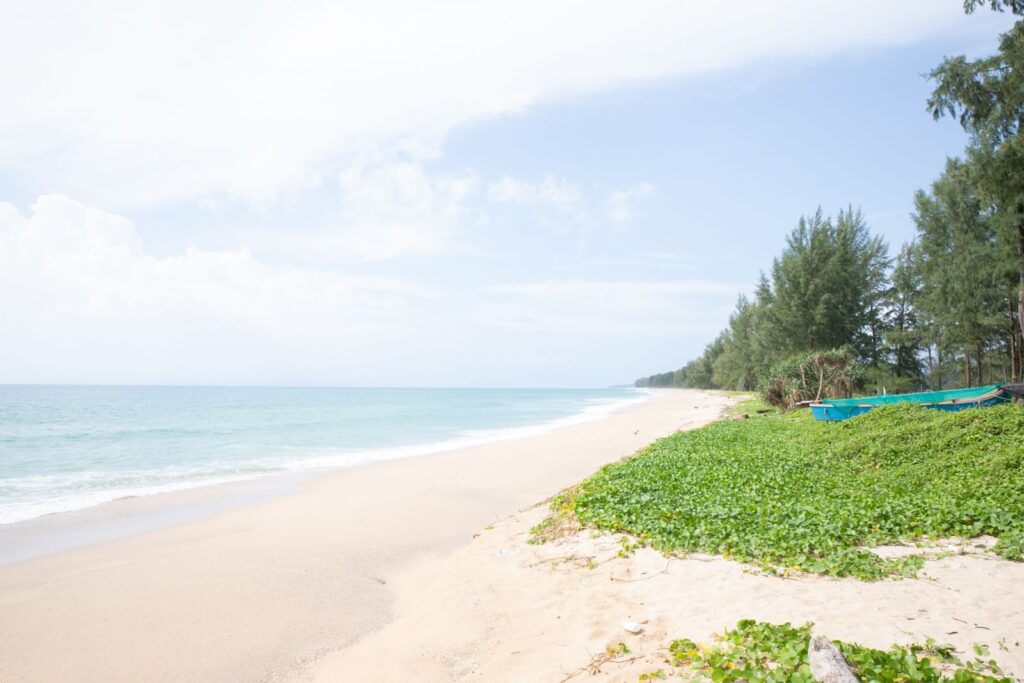
Koh Lanta tip: Over a long stay, find out early where the nearest pharmacy is. Pharmacies are common in Saladan and along the main west-coast road. Koh Lanta Hospital is near Lanta Old Town, and larger hospitals are in Krabi Town on the mainland. Keep a list of your medicines and doses on your phone in case you need it.
High season runs from about November to April, and the hot season from roughly March to May. If you are staying into the spring, expect the heat to build and adjust your routine as it does.
Can an IV drip help older travellers rehydrate?
Most mild dehydration settles with drinks, shade and rest. If you feel drained after a hot day and want to rehydrate more quickly, a drip in your own room is one option. Our Hydration Boost drip contains 1 litre of electrolyte fluids, vitamin B complex and magnesium, and runs over 45–60 minutes.

Every drip comes after a health check by a registered nurse, who will ask about your conditions and medicines. A litre of fluid is not right for everyone: people with some heart or kidney conditions may not be suitable, and the nurse will say so honestly. It is a wellness service, not hospital care.
IV drip on Koh Lanta
Hydration Boost IV drip
Fast rehydration for hot days, long excursions and upset stomachs. A registered nurse comes to your villa, hotel or bungalow anywhere on Koh Lanta.
When to get medical help
Heat exhaustion can cause heavy sweating, dizziness, headache, nausea, weakness and cramps. Move somewhere cool, lie down, loosen clothing and sip water. Heatstroke is an emergency: confusion, slurred speech, fainting, hot skin that may be dry, a seizure, or heat exhaustion that does not improve within about 30 minutes of cooling. Call 1669 for an ambulance and cool the person while you wait. Koh Lanta Hospital is near Lanta Old Town. See our guide to heat exhaustion on Koh Lanta for more.
Your checklist for a comfortable winter in the sun
- Talk to your doctor before you travel about your medicines and the heat.
- Plan outings for the morning and late afternoon.
- Sip water through the day, before you feel thirsty.
- Take regular shade breaks, and wear a hat and light cotton.
- Know where the pharmacy and hospital are, and save 1669 in your phone.
With a little planning, the heat becomes part of the pleasure of a winter on Koh Lanta rather than a worry. If you have questions about whether a drip is suitable for you, message us through our contact page before booking.
Frequently asked questions
Is staying cool over 60 in Thailand difficult?
Not with planning. Avoid the hottest hours, drink regularly before you feel thirsty, take shade breaks and wear light cotton and a hat.
Does heat affect blood pressure medication?
Some blood pressure medicines and water tablets can make dizziness or dehydration more likely in the heat. Do not stop or change them; ask your doctor before travelling.
Can older travellers have an IV drip?
Many can, but every drip comes after a health check. People with some heart or kidney conditions may not be suitable, and the nurse will tell you honestly.