Key takeaways
- Most travel tummy bugs settle within a few days with fluids, rest and gentle food.
- Oral rehydration salts are the most important thing you can take, and pharmacies sell them cheaply.
- Blood in your stool, a high fever, severe pain or signs of serious dehydration mean you need a doctor.
- An IV drip is only an option after a nurse check, and never a replacement for a doctor when red flags are present.
New food, a different climate and a change in routine can unsettle anyone’s stomach. If you have an upset stomach on Koh Lanta and are wondering what to do, the good news is that most cases of traveller’s diarrhoea are mild and pass within a few days. The key is to stay hydrated, rest, and know the signs that mean you need proper medical care.
Why do travellers get an upset stomach in Thailand?
Traveller’s diarrhoea is usually caused by germs your body is not used to, picked up from food, water or unwashed hands. It can happen anywhere in the world, not just in Thailand, and it is not always a sign of anything you did wrong.
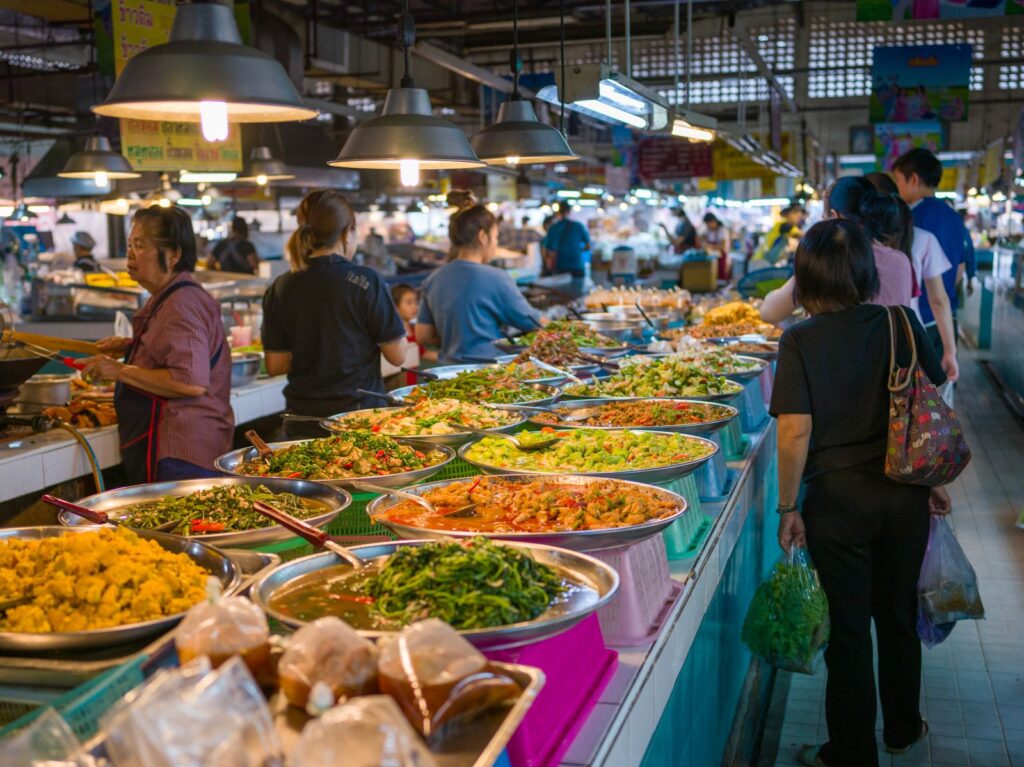
Other things can upset your stomach too: lots of rich or spicy food, too much alcohol, too much sun, or simply a big change in diet. Typical symptoms include loose or watery stools, stomach cramps, nausea, bloating and sometimes vomiting or a mild temperature.
Upset stomach on Koh Lanta: what to do first
Your main job is to replace the fluid and salts you are losing. Diarrhoea and vomiting can dehydrate you quickly, especially in the heat.

- Start oral rehydration salts. Mix ORS sachets with bottled water exactly as the packet says, and sip often, even if only small mouthfuls.
- Keep drinking between toilet trips. Small, frequent sips are easier to keep down than big gulps.
- Rest somewhere cool. Stay out of the sun and give your body a break from activities.
- Wash your hands well and avoid sharing towels or drinks, as stomach bugs spread easily.
Koh Lanta tip: Pharmacies in Saladan and along the main west-coast road stock oral rehydration salts and can advise on over-the-counter options. If you are staying further south, it is worth buying a few sachets in advance so you are not hunting for them when you feel unwell.
Traveller’s diarrhoea self-care: medicines and pharmacies
Pharmacists can be a helpful first stop for mild symptoms. A few points to keep in mind:
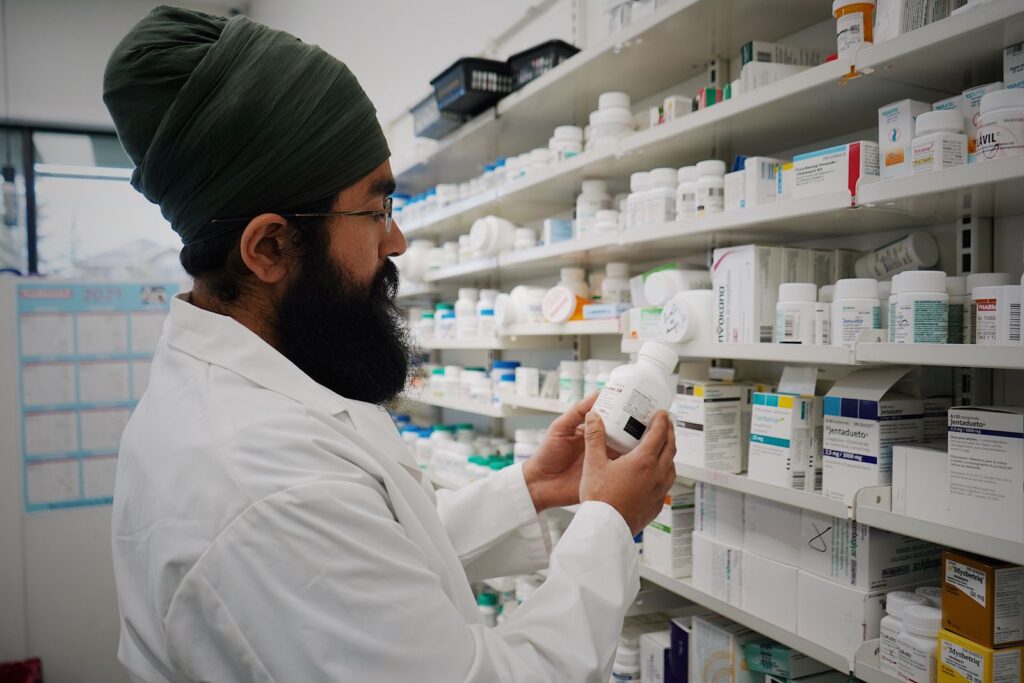
- Anti-diarrhoea tablets can ease symptoms for adults with mild diarrhoea, but they are not recommended if you have a fever or blood in your stool, and they are not suitable for young children.
- Do not take antibiotics without advice. They are not needed for most mild tummy bugs.
- Tell the pharmacist about any other medicines you take, allergies, or if you are pregnant.
- Paracetamol is generally gentler on the stomach than ibuprofen for aches or a mild temperature.
What should you eat with an upset stomach?
You do not need to starve yourself. Once you feel ready to eat, start with small portions of plain, easy food.
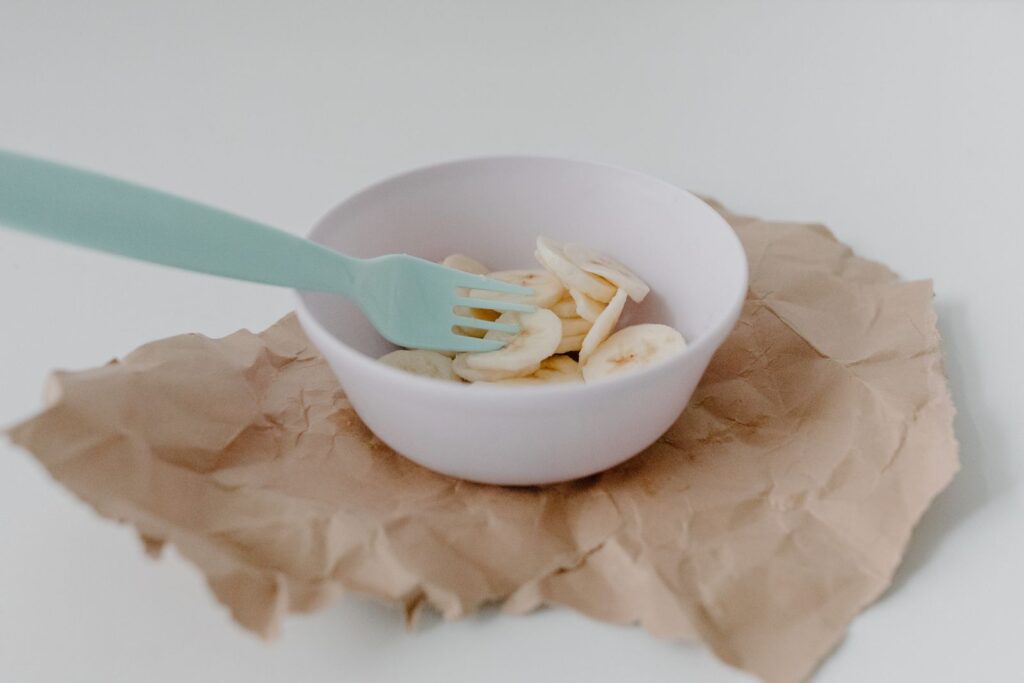
- Gentle options: plain rice, rice soup (khao tom) or rice porridge (jok), toast, crackers, bananas, plain noodles, boiled eggs.
- Avoid for a few days: very spicy dishes, greasy fried food, raw salads, dairy if it makes things worse, alcohol and lots of coffee.
- Build back up slowly as your appetite returns.
When you feel better, simple habits help avoid a repeat: wash your hands before eating, choose busy places where food is cooked fresh and served hot, and stick to bottled or filtered water.
When should you see a doctor?
Most stomach bugs are mild, but some need medical attention. Please do not try to manage these at your accommodation.

When to get medical help
See a doctor or go to hospital if you have blood or black, tarry material in your stool, a high fever, severe or constant stomach pain, vomiting that stops you keeping any fluids down, diarrhoea lasting more than a few days, or signs of serious dehydration such as very little urine, dizziness when standing, confusion or a racing heart. Seek help early for young children, older adults, pregnant women and anyone with a long-term health condition. In an emergency, or if someone collapses or is very drowsy, call 1669 for an ambulance. Koh Lanta Hospital is near Lanta Old Town on the east coast, and larger hospitals are in Krabi Town.
Fever in Thailand also needs to be taken seriously, as it can have causes other than a simple tummy bug. If you have a fever, especially with body aches, a rash or a severe headache, get checked by a doctor.
Can an IV drip help with a stomach bug?
For a mild stomach upset, an IV drip is not necessary. ORS and rest are the right first steps. However, if you have no red-flag symptoms but are finding it hard to keep up with your fluids, a drip may be an option to help you rehydrate.

Our Hydration Boost drip contains 1 litre of electrolyte fluids, B complex vitamins and magnesium. Before anything else, a registered nurse does a health check at your villa, hotel or bungalow. If they find any warning signs, they will advise you to see a doctor instead of giving a drip. If it is suitable, the drip takes around 45 to 60 minutes and supports your rehydration while you rest. It does not treat the infection itself, and it is not a replacement for a doctor. You can read more about the visit on our how it works page.
IV drip on Koh Lanta
Hydration Boost IV drip
Fast rehydration for hot days, long excursions and upset stomachs. A registered nurse comes to your villa, hotel or bungalow anywhere on Koh Lanta.
Getting back to your holiday
Once the diarrhoea has stopped and you are eating normally again, ease back into things. A day of gentle activity before a big boat trip, dive or long scooter ride gives your body time to recover. Keep drinking well, as it can take a little while to fully rehydrate, especially in the heat. Our guide to dehydration in Thailand has more tips.
The bottom line
An upset stomach on Koh Lanta is unpleasant but usually short-lived. Rehydrate with ORS, rest somewhere cool, eat plain food, and keep a close eye on the warning signs. If you are unsure whether a home visit is appropriate, message us on WhatsApp, and if red-flag symptoms appear, see a doctor without delay.
Frequently asked questions
How long does traveller’s diarrhoea last?
Most cases settle within a few days. If it lasts longer, or you develop a high fever, blood in your stool or severe pain, see a doctor.
Where can I buy rehydration salts on Koh Lanta?
Pharmacies in Saladan and along the main west-coast road sell ORS sachets, and many convenience stores stock them as well.
Should I take antibiotics for a stomach bug in Thailand?
Not without medical advice. Most mild tummy bugs get better on their own with fluids and rest.
Can I get an IV drip for food poisoning?
Only after a nurse’s health check, and only if there are no warning signs. If you have red-flag symptoms, the nurse will advise you to see a doctor instead.