Key takeaways
- Dehydration in Thailand creeps up quietly, because heat, humidity, sun and activity all increase sweat loss.
- Dark urine, headache, tiredness and dizziness are early signs worth acting on.
- Drink little and often, and add electrolytes on hot or active days.
- Oral rehydration salts from local pharmacies are cheap and very effective for mild dehydration.
You land, the warm air hits you, and within a day you are swimming, exploring and eating spicy food in the sunshine. It is wonderful, but it is also the perfect recipe for dehydration in Thailand. Many visitors do not notice it until they feel unusually tired, headachy or dizzy halfway through the afternoon.
The good news is that dehydration is easy to prevent and, when mild, easy to fix. Here is what to look out for and what to do on Koh Lanta.
Why is dehydration in Thailand so common for visitors?
Your body cools itself by sweating. In hot, humid weather, sweat does not evaporate as easily, so you keep producing more of it. You lose water and salts such as sodium and potassium, often without feeling particularly thirsty.

Several holiday habits add to it:
- Long days on the beach or a boat with little shade.
- Walking, cycling or hiking in the middle of the day.
- Alcohol, which makes you pass more urine.
- Long-haul flights, where cabin air is dry and it is easy to drink too little.
- Tummy upsets, which can cause rapid fluid loss.
If you have arrived from a cooler climate, your body also needs some time to get used to the heat, so the first few days are often the hardest.
What are the signs of dehydration on holiday?
Thirst is actually a fairly late signal. These are the common early signs:

- Dark yellow or strong-smelling urine, or going to the toilet much less than usual.
- Headache, especially later in the day.
- Feeling tired, sluggish or irritable.
- Dry mouth, lips or eyes.
- Light-headedness when you stand up quickly.
- Muscle cramps.
Pale straw-coloured urine is a simple, reliable sign that you are drinking enough. Check it a few times a day while you are getting used to the climate.
How much water should you drink in Thailand?
There is no single number that fits everyone. How much you need depends on your size, how active you are, how much you sweat and how hot the day is. Rather than forcing yourself to hit a target, use these practical rules:
- Carry a bottle and sip regularly, rather than drinking a large amount all at once.
- Drink extra before, during and after anything active, from snorkelling to a Muay Thai session.
- Have a glass of water with every meal and every alcoholic drink.
- Use your urine colour as a guide.
Drinking large volumes of plain water very quickly is not a good idea either, especially if you are sweating heavily. That is where electrolytes come in.
Why electrolytes matter in the heat
When you sweat, you lose salts as well as water. If you only replace the water, you can still feel washed out, crampy or headachy. Electrolytes help your body hold on to the fluid you drink.
Oral rehydration salts from pharmacies
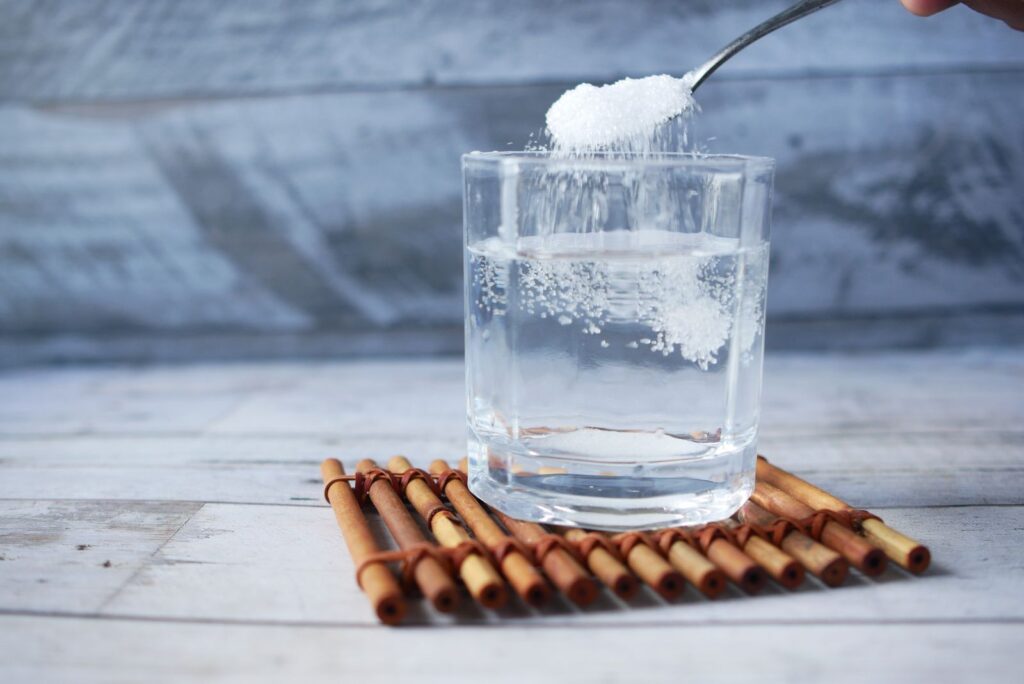
Oral rehydration salts (ORS) are small sachets that you mix with clean drinking water. They contain a balanced mix of salts and a little sugar, designed to help your gut absorb fluid efficiently. They are inexpensive and sold in most pharmacies and many convenience stores in Thailand.
- Follow the instructions on the packet, especially the amount of water.
- Use bottled or filtered water to mix them.
- Sip slowly over 20 to 30 minutes rather than downing the whole glass.
Koh Lanta tip: Pick up a few ORS sachets from a pharmacy in Saladan or along the main west-coast road when you arrive, and keep one in your day bag. They weigh almost nothing and are very handy on boat trips and long scooter days.
Other helpful drinks
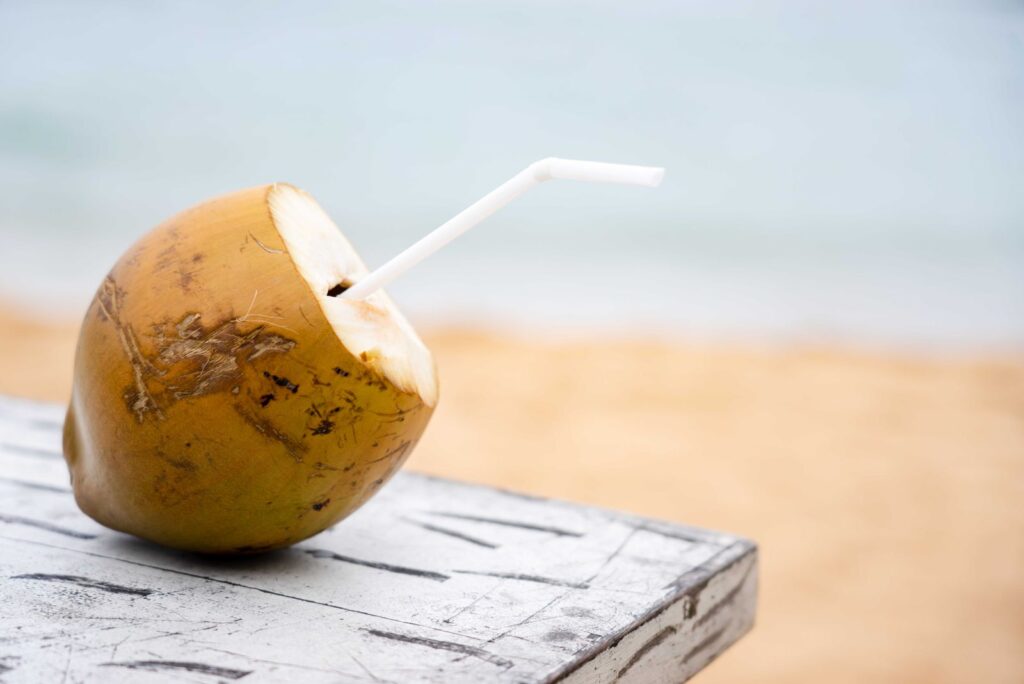
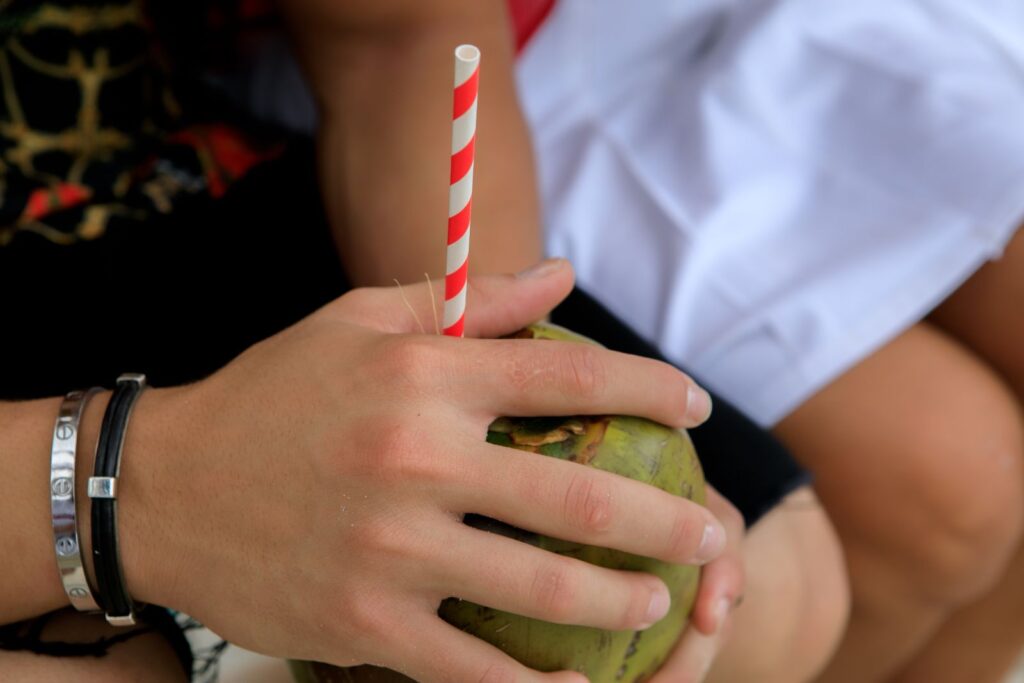
Fresh coconut water is light, refreshing and contains some potassium, though it is not as complete as ORS. Sports drinks can help on very active days, but they are often high in sugar. Very sweet soft drinks, energy drinks and lots of iced coffee are not good substitutes for water.
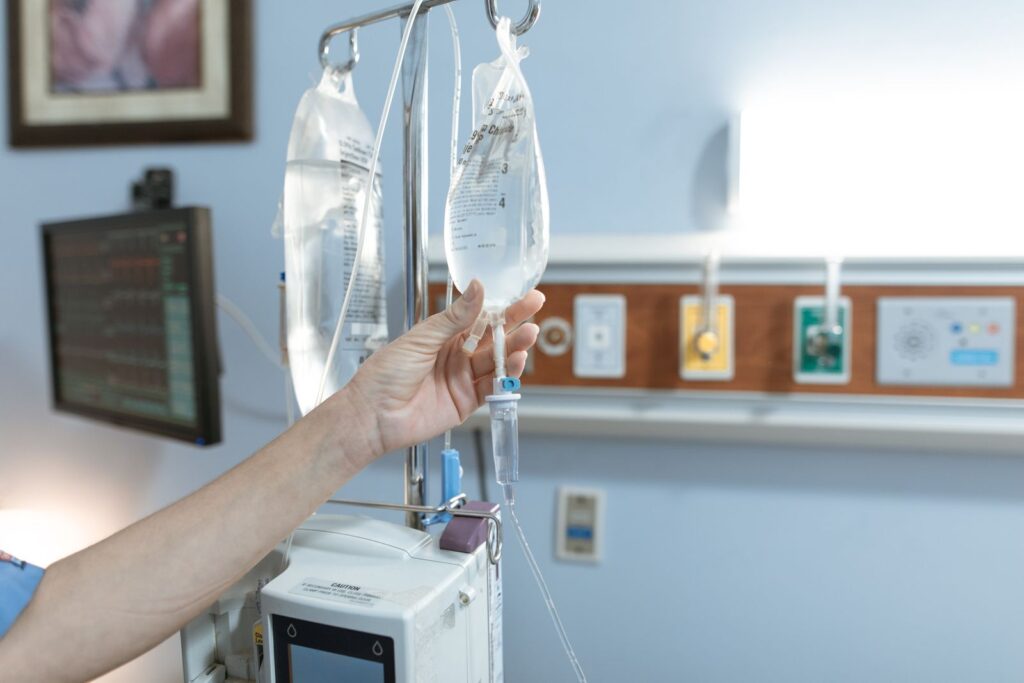
When an IV drip can help with dehydration
Most mild dehydration responds well to drinking and resting. Sometimes, though, it is hard to catch up: after a long day in the sun, when you have been feeling queasy, or when you are too tired to keep sipping.
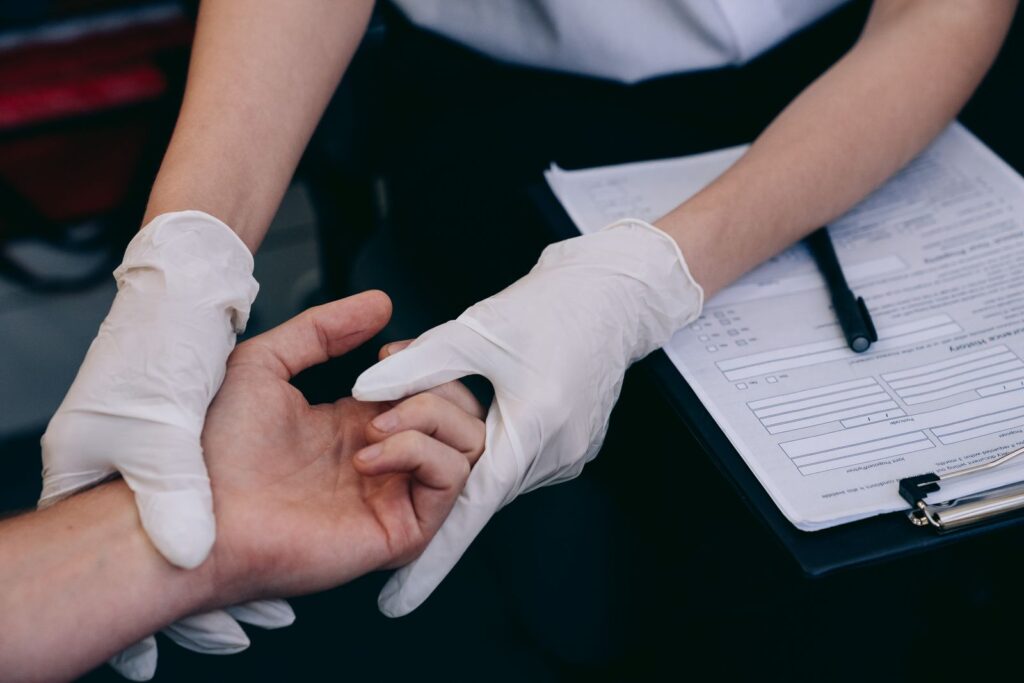
Our Hydration Boost drip contains 1 litre of electrolyte fluids, B complex vitamins and magnesium. A registered nurse comes to your accommodation, does a health check first, and gives the drip over roughly 45 to 60 minutes. It can help you rehydrate more directly, and many guests feel refreshed afterwards. It is a wellness service, though, and not a replacement for medical care if you are seriously unwell.
IV drip on Koh Lanta
Hydration Boost IV drip
Fast rehydration for hot days, long excursions and upset stomachs. A registered nurse comes to your villa, hotel or bungalow anywhere on Koh Lanta.
Wondering whether you really need a drip? Our honest comparison, IV drip vs drinking water, explains when drinking is enough.
Simple ways to prevent dehydration on Koh Lanta
- Plan beach time and sightseeing for the morning and late afternoon, and find shade in the middle of the day.
- Wear a hat and light, loose clothing, and use sunscreen.
- Take water and an ORS sachet on every boat or island trip.
- Eat water-rich fruit such as watermelon, pineapple and papaya.
- Take it easy for the first couple of days while your body adjusts.
- Be extra careful during the hot season, roughly March to May.
When to get medical help
Get medical help if dehydration does not improve with drinking, or if you notice very little or no urine for many hours, confusion, fainting, a fast heartbeat, severe vomiting or diarrhoea, or you cannot keep any fluids down. Call 1669 for an ambulance or go to hospital if someone is confused, collapses, or has a very high temperature and has stopped sweating, as this can be heatstroke. Babies, young children, older adults and people with long-term health conditions can become seriously dehydrated faster, so seek help early.
Staying hydrated for the rest of your trip
Dehydration in Thailand is common, but it does not have to spoil your holiday. Drink little and often, add electrolytes on hot or active days, keep an eye on your urine colour and give yourself shade in the middle of the day. If you are struggling to catch up and would like a nurse to visit, message us on WhatsApp.
Frequently asked questions
How do I know if I am dehydrated in Thailand?
Dark urine, headache, tiredness, a dry mouth and feeling light-headed are common early signs. Pale straw-coloured urine usually means you are drinking enough.
Are oral rehydration salts easy to find on Koh Lanta?
Yes. Pharmacies in Saladan and along the main west-coast road sell ORS sachets, and many convenience stores stock them.
Is coconut water enough to rehydrate?
Coconut water is a pleasant extra, but it does not contain the same balance of salts as ORS, so use ORS if you are properly dehydrated.
Is tap water safe to drink in Thailand?
Most visitors stick to bottled or filtered drinking water, and use it to mix rehydration salts too.