Key takeaways
- There is no fixed rule for how often you can get an IV drip. It depends on you, the drip and your health check.
- The nurse decides on the day, and sometimes the honest answer is that you do not need another one.
- More is not better: extra fluids and vitamins your body does not need are either passed out or, in some cases, can cause harm.
- Water, electrolytes, food, shade and sleep do most of the work between drips.
Maybe your first drip helped after a rough day in the sun, and now you are wondering whether to book another. It is a sensible question, and the answer to how often can you get an IV drip is not a single number. It depends on your health, which drip you are having, why you want it and what the nurse finds when they check you.
This guide explains how we think about repeat drips, what affects the decision, and why we would rather say no than give you something you do not need.
How often can you get an IV drip? Why there is no fixed rule
You may see websites quoting a set number of drips per week or month. We do not, because a healthy adult who had one drip after a long day of diving is in a very different position from someone with a heart condition, someone who takes regular medication, or someone who has been unwell for days.
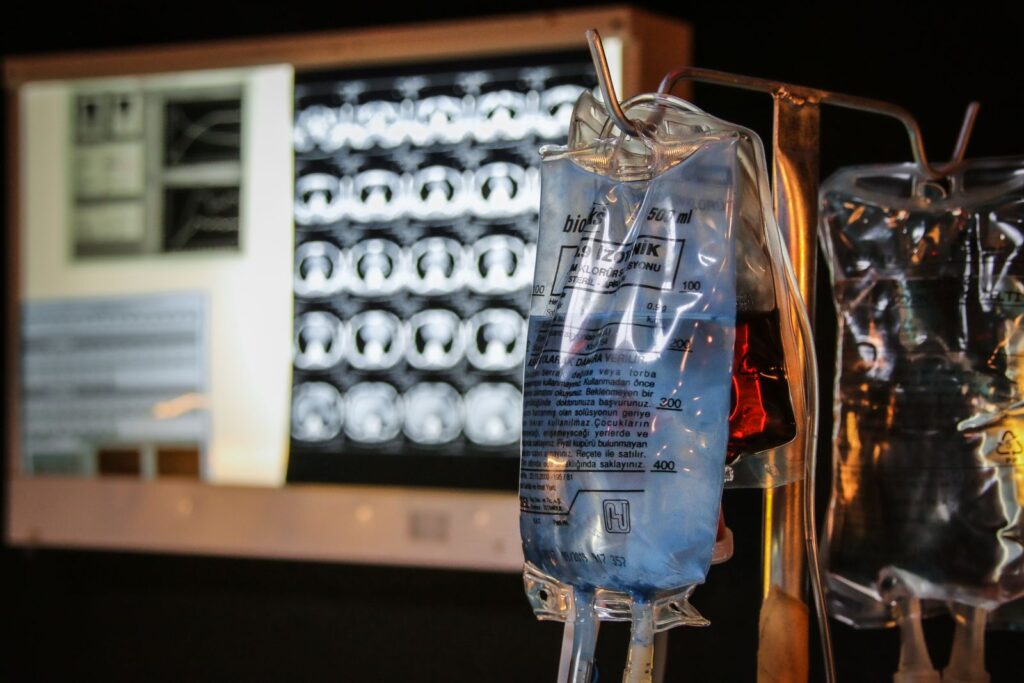
A wellness drip is not like a daily vitamin tablet. It puts fluid and nutrients straight into your bloodstream, which is why every visit starts with a health check. The nurse looks at how you feel today, your medical history, any medicines you take and when you last had a drip, then decides whether another one is appropriate and which one fits.
If you would like to see what that visit involves step by step, our how it works page covers the process from booking to the end of the drip.
Why more is not better
It is easy to assume that if one drip made you feel good, two or three must be even better. Your body does not work that way. When you are well hydrated and eating normally, it simply gets rid of what it does not need.
- Extra fluid: healthy kidneys pass excess water out, so topping up when you are already hydrated mostly means more trips to the bathroom. For people with heart or kidney problems, too much fluid can be a real strain.
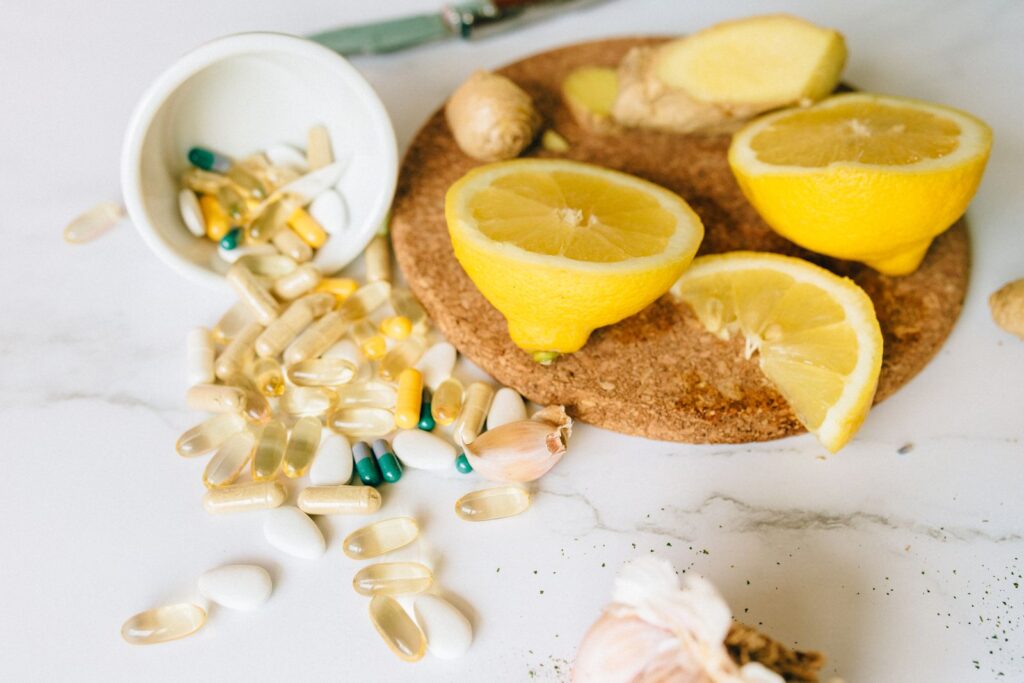
- Water-soluble vitamins: B vitamins and vitamin C that your body cannot use are largely excreted in urine rather than stored for later.
- Fat-soluble vitamins and some minerals: these can build up in the body, and very high amounts over time can be harmful. Even water-soluble vitamins in large doses are not right for everyone, particularly people with kidney conditions.
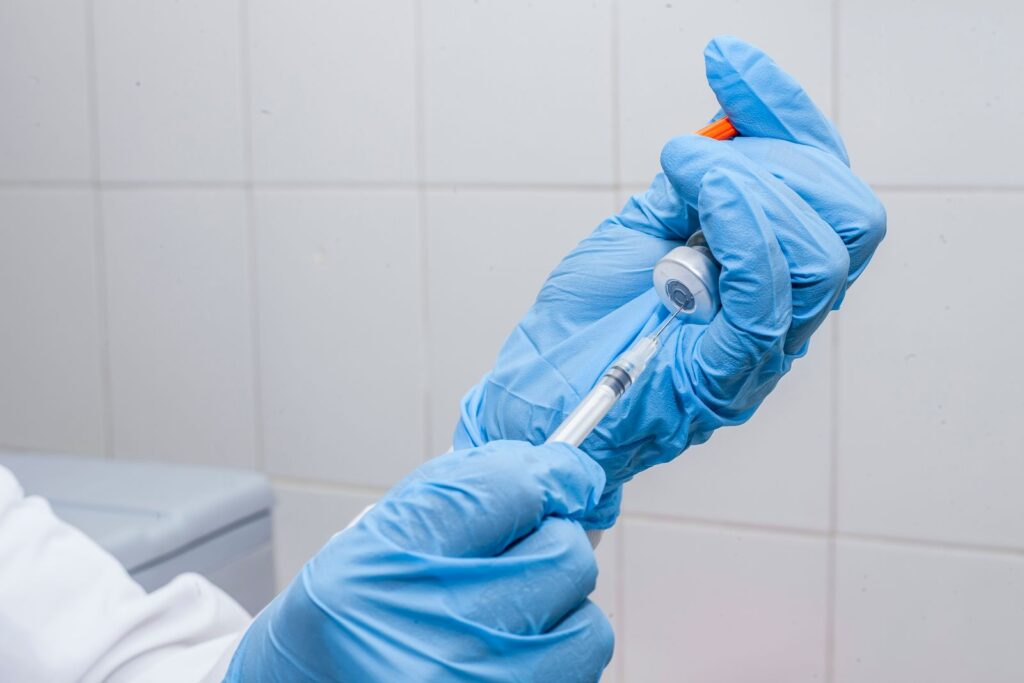
- The cannula itself: every drip means a small needle in a vein. The risk is low with sterile, single-use equipment, but bruising, irritation and, rarely, infection are possible each time.
So the real question is not how many drips you can have, but whether a drip is useful for you right now.
Can you have two IV drips in a week?
Sometimes, yes. A guest who had a drip after arriving tired from a long flight might, later in the week, come back exhausted and short on fluids after a hard day of diving or training in the heat. If the health check shows a drip is suitable, the nurse may be happy to go ahead.
Equally, the nurse may suggest waiting, choosing a different drip or simply drinking oral rehydration salts and resting instead. That is not the nurse being unhelpful. It is the point of having a registered nurse make the call rather than a booking form.
What the nurse considers
- Why you want another drip, and whether the reason is something water, food and rest would sort out.
- When you had your last drip and what was in it.
- Your blood pressure, pulse and how you are feeling on the day.
- Any heart, kidney or liver conditions, pregnancy, allergies or regular medicines.
- Whether your symptoms suggest you need a doctor rather than a wellness drip.
Is an IV drip every day on holiday a good idea?
For most healthy travellers, no. If you feel you need a drip every day, that is a sign to look at what is causing it: not enough water, too much sun, too much alcohol, too little sleep or an illness that needs proper medical attention.

Daily drips also add up the small risks of repeated cannulas and can mask a problem that a doctor should look at. If you keep feeling dizzy, drained or unwell, please see a doctor. Koh Lanta Hospital is near Lanta Old Town, and larger hospitals are in Krabi Town.
Our FAQ page answers other common questions about who can have a drip and what to expect.
Long stays on Koh Lanta: thinking beyond the next drip
Plenty of people stay on Koh Lanta for weeks or months, and Klong Dao is a favourite for long-stay visitors and families. Over a longer stay, habits matter far more than any single drip.

- Carry water everywhere and sip through the day, not just when you feel thirsty.
- Keep a few oral rehydration salts sachets at home for hot or active days.
- Plan outdoor activities for the morning and late afternoon, especially in the hot season from roughly March to May.
- Eat regular meals with fruit and vegetables rather than relying on supplements.
- Give yourself rest days between diving, Muay Thai sessions or long scooter trips.
If you do want occasional support during a long stay, talk it through with the nurse. They can look at your pattern of drips over time and suggest a sensible approach for you, which may well be fewer drips than you expected.
Koh Lanta tip: Booking for a group of friends or family on the same day? Each person still has their own health check, and one person being suitable does not mean everyone is. Our group bookings page explains how it works.
Signs a drip is not what you need
A wellness drip is not emergency or hospital care. Skip the booking and see a doctor, or call 1669 for an ambulance in an emergency, if you have chest pain, difficulty breathing, confusion, fainting, a high fever, severe abdominal pain, or vomiting or diarrhoea that will not settle. These need a medical assessment, not another drip.

The short answer on repeat drips
How often you can get an IV drip comes down to your health, your reasons and the nurse’s judgement on the day. One drip when you genuinely need a top-up can help many people feel better, but more drips are not more benefit, and the basics of water, electrolytes, food and rest still matter most. If you are unsure whether another drip makes sense, message us on WhatsApp and we will ask a few questions before anything is booked.
Frequently asked questions
Can you have two IV drips in a week?
Sometimes, if there is a good reason and the nurse’s health check shows it is suitable. The nurse may also suggest oral rehydration salts and rest instead.
Is it safe to have an IV drip every day on holiday?
For most healthy travellers it is not necessary, and repeated drips add small risks each time. Needing one daily is usually a sign to look at the cause or see a doctor.
Can extra vitamins from a drip be harmful?
Many water-soluble vitamins your body does not need are passed out in urine, but some vitamins and minerals can build up, and high doses are not right for everyone. That is why the nurse checks your history first.
Who decides whether I can have another drip?
The registered nurse decides on the day, after a health check that includes when you last had a drip.