Key takeaways
- Sit in the middle or at the back of the boat, look at the horizon and get fresh air.
- Eat a light meal beforehand and avoid alcohol the night before.
- Ginger is a popular option, and pharmacies sell motion-sickness medicines. Some cause drowsiness, so ask the pharmacist, and check with your dive centre or a doctor if you are diving.
- After vomiting, rehydrate with small, frequent sips of oral rehydration salts.
Island hopping and dive trips are highlights of a holiday on Koh Lanta, but for some people the sea has other ideas. Seasickness on a boat trip in Thailand is common, especially on choppier days, and it can leave you drained and dehydrated long after you step back onto land.
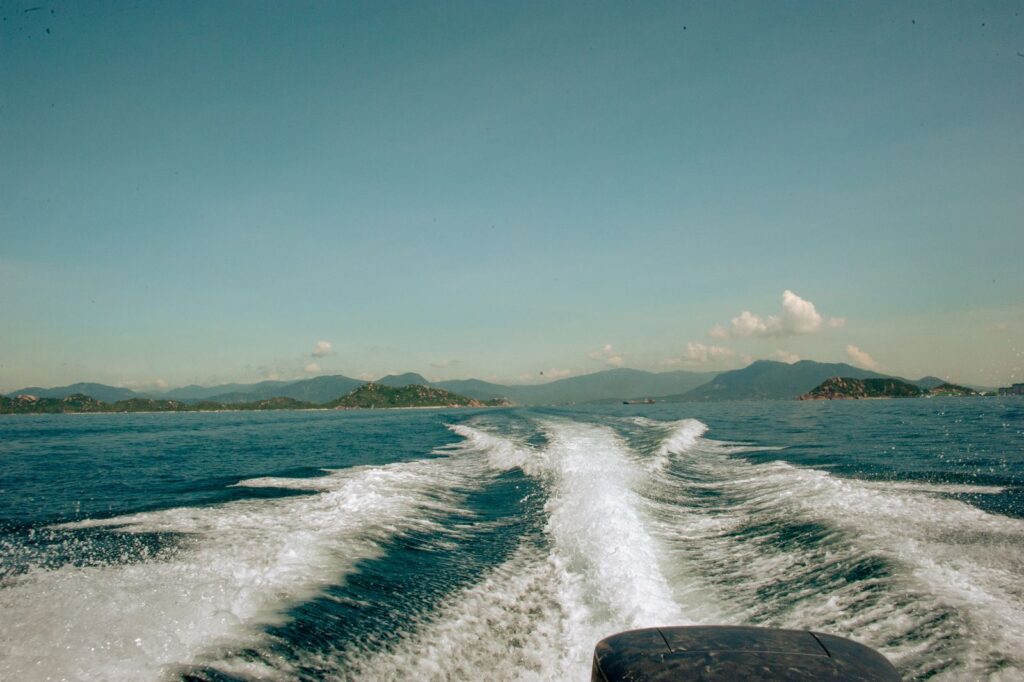
This guide focuses on what you can do on the day and how to recover afterwards. It is not advice about which trip or boat to choose. Whether you are heading out to Koh Haa or Hin Daeng and Hin Muang to dive, or just spending a day on the water, the same basics apply.
Why does seasickness happen?
Motion sickness happens when your eyes, your inner ear and your body send your brain mixed messages. Inside a cabin your eyes say you are still, while your inner ear feels the boat rolling. The brain reacts with nausea, sweating, yawning, a headache and sometimes vomiting.
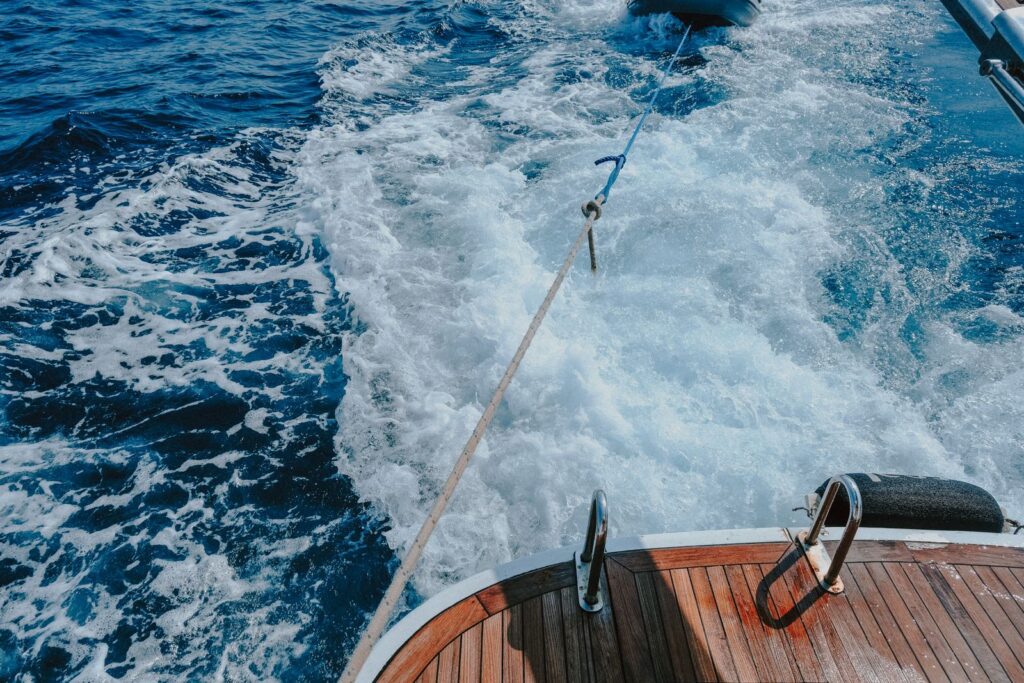
Some people are much more prone to it than others, and it can affect you even if you have been fine on boats before. Tiredness, a hangover, an empty or very full stomach and stuffy air all make it more likely.
The good news is that it is rarely dangerous for healthy adults, and it usually eases once the boat stops moving. The main risk is losing fluid, especially if you vomit more than once on a hot day.
How to reduce seasickness on a boat trip in Thailand
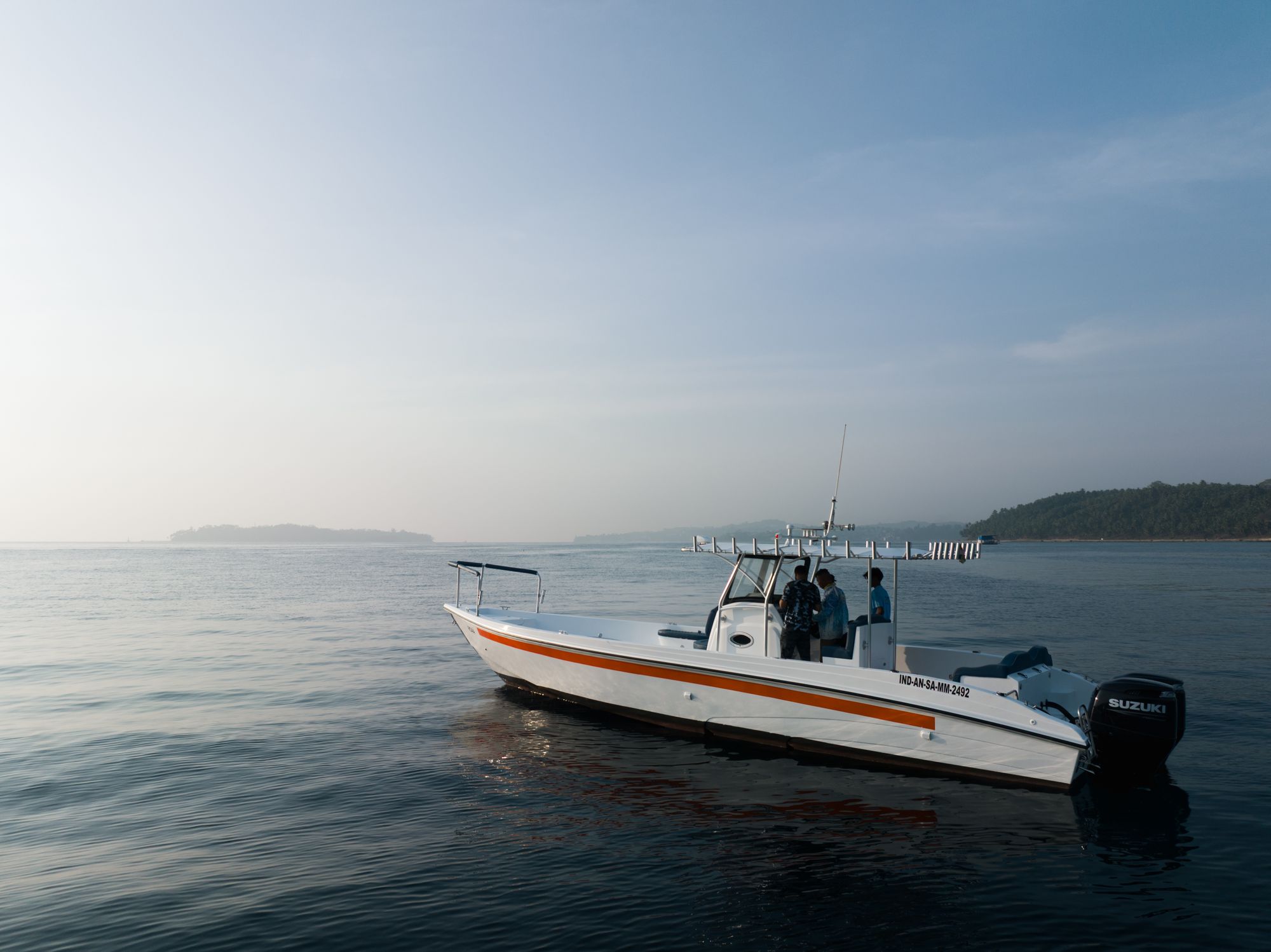
- Choose your seat. The middle or the back of the boat usually moves least. The front of a speedboat tends to bounce the most.
- Look at the horizon. Keeping your eyes on a fixed, distant point helps your brain make sense of the movement. Avoid reading or scrolling on your phone.
- Get fresh air. Stay on deck or near an open window rather than in a closed cabin, and keep away from engine fumes.
- Eat light beforehand. A small, plain meal is better than an empty stomach or a big, greasy breakfast.
- Skip the alcohol the night before. A hangover and a rolling boat are a miserable combination.
- Sip water. Small, regular sips are easier to keep down than big gulps.

What can you take for motion sickness on a speedboat?
Ginger is a popular option, as sweets, biscuits or tea, and many people find it settles their stomach. It is gentle and easy to carry.

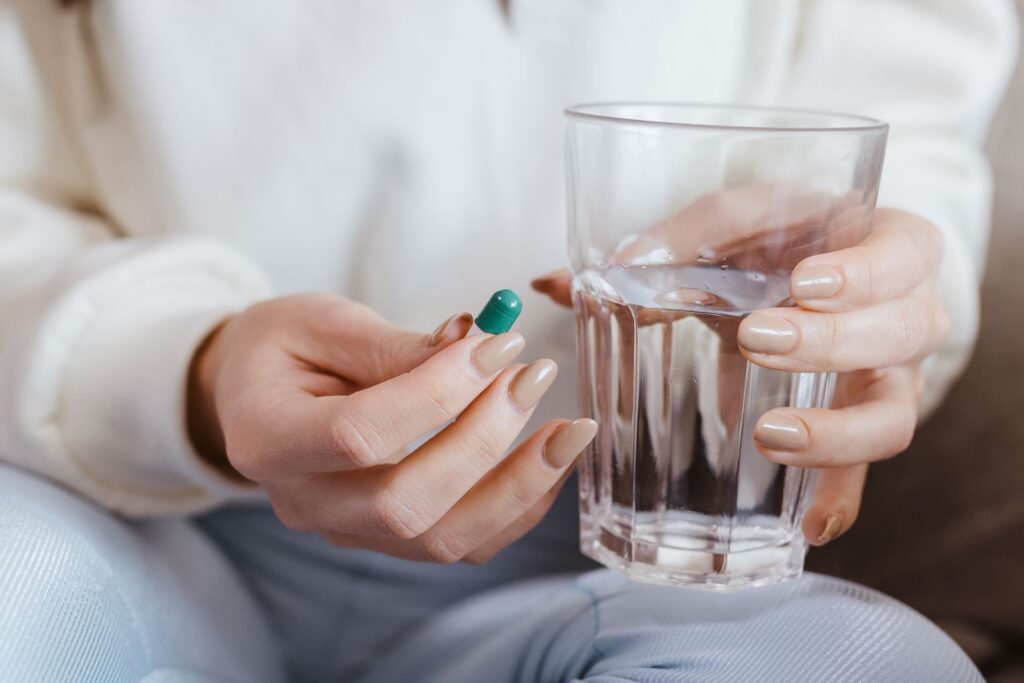
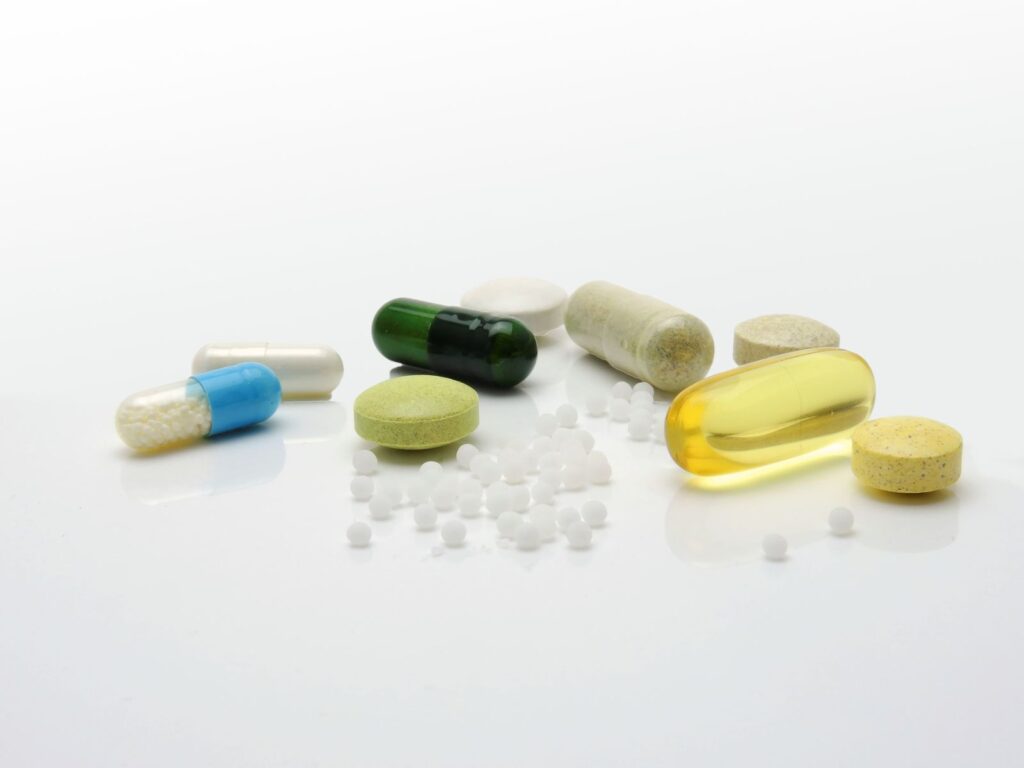
Pharmacies in Saladan and along the main west-coast road sell motion-sickness medicines. These usually work best taken before the journey rather than once you already feel sick. Some cause drowsiness, so tell the pharmacist about any other medicines you take, any health conditions, and whether you are pregnant.
If you are diving, check with your dive centre or a doctor before taking any motion-sickness medicine. Drowsiness and slower thinking are not something you want underwater.
Feeling sick after a boat trip? How to recover
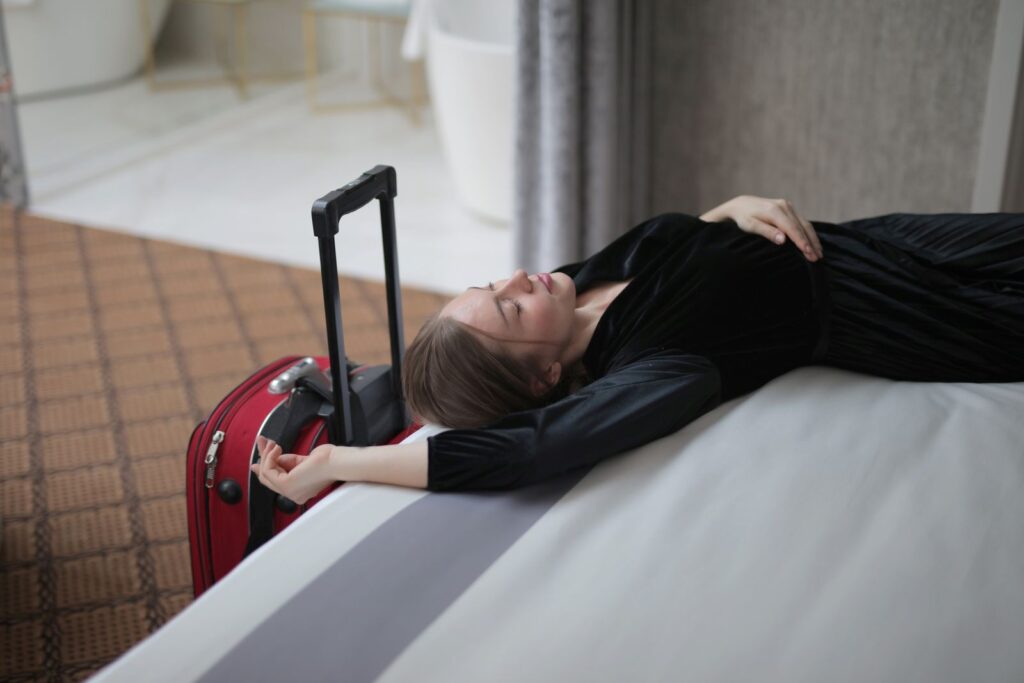
Even once you are back on land, you may feel queasy, wobbly or exhausted for a few hours. Some people still feel the ground rocking that evening. This usually settles with rest.

- Lie down somewhere cool and shaded and close your eyes.
- If you have vomited, start with small, frequent sips of oral rehydration salts rather than large drinks. Our guide to oral rehydration salts in Thailand explains how to mix them.
- Once you can keep fluids down, try plain food such as rice, toast, bananas or crackers.
- Skip alcohol that evening and get an early night.
Children and older travellers can become dehydrated more quickly after vomiting, so keep a closer eye on them. If someone in your group was sick on the boat, check that they are drinking and passing urine normally later in the day.
If you are also having diarrhoea or stomach cramps, the cause may be a stomach bug rather than the sea. Our guide to an upset stomach on Koh Lanta covers what to do.
Dehydrated after island hopping?
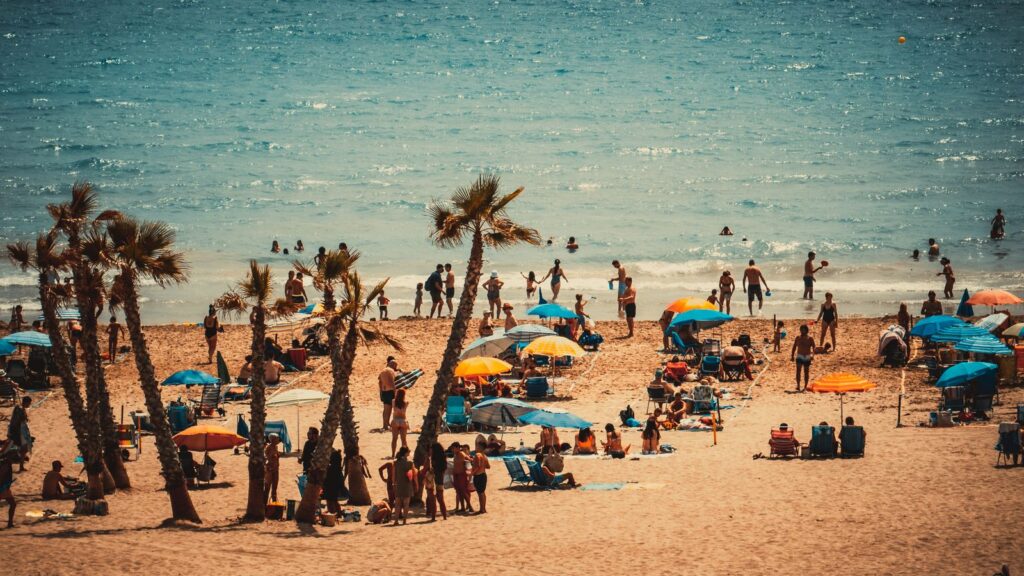
A day on the water can dry you out even without seasickness: hours in the sun, sea wind, salt water and often not enough to drink. Add vomiting and you can lose a lot of fluid and salt. Headache, dark urine, dizziness and feeling washed out are all signs you need to rehydrate.

If you are diving, hydration matters even more. Our diving hydration guide covers what to drink before and after a dive trip.
When a drip can help
If you are still feeling drained and struggling to drink enough after a rough day at sea, a drip in your room is one option. Our Hydration Boost drip contains 1 litre of electrolyte fluids with vitamin B complex and magnesium. A registered nurse comes to you, starts with a health check and stays while it runs for 45–60 minutes. Many guests find it helps them rehydrate and feel more like themselves.
IV drip on Koh Lanta
Hydration Boost IV drip
Fast rehydration for hot days, long excursions and upset stomachs. A registered nurse comes to your villa, hotel or bungalow anywhere on Koh Lanta.
When to get medical help
Get medical help if vomiting will not stop or you cannot keep any fluids down, if you have signs of dehydration such as dizziness on standing, confusion, very little urine or a fast heartbeat, or if you were hurt on the boat, for example from a fall or a blow to the head. Call 1669 for an ambulance in an emergency, or go to hospital. Koh Lanta Hospital is near Lanta Old Town.
Your seasickness game plan
Get a good night’s sleep and skip the drinks the night before. Eat light, sit in the middle or at the back, keep your eyes on the horizon and stay in the fresh air. Bring ginger or ask a pharmacist about medicine in advance, checking first if you are diving.
Afterwards, rest, sip oral rehydration salts and eat something plain. If you would like help rehydrating after a hard day on the water, you can message us through our contact page.
Frequently asked questions
What helps motion sickness on a speedboat?
Sit in the middle or at the back, look at the horizon, get fresh air and avoid reading your phone. Ginger or a pharmacy motion-sickness medicine taken beforehand may also help.
Why do I still feel sick after a boat trip?
Your balance system can take a few hours to settle, and vomiting and sun can leave you dehydrated. Rest somewhere cool and sip oral rehydration salts.
How do I rehydrate after island hopping?
Drink water steadily and use oral rehydration salts if you have been sick or sweated a lot. Seek medical help if you cannot keep fluids down.
Can I take seasickness tablets before diving?
Check with your dive centre or a doctor first, because some motion-sickness medicines cause drowsiness.